
Home
Welcome to the Edge
Stimulating Interest in Built Environment Policy | Edge Debate
Latest Events and Publications
Upcoming and Recent debates:
(Scroll all the way down for our archive)
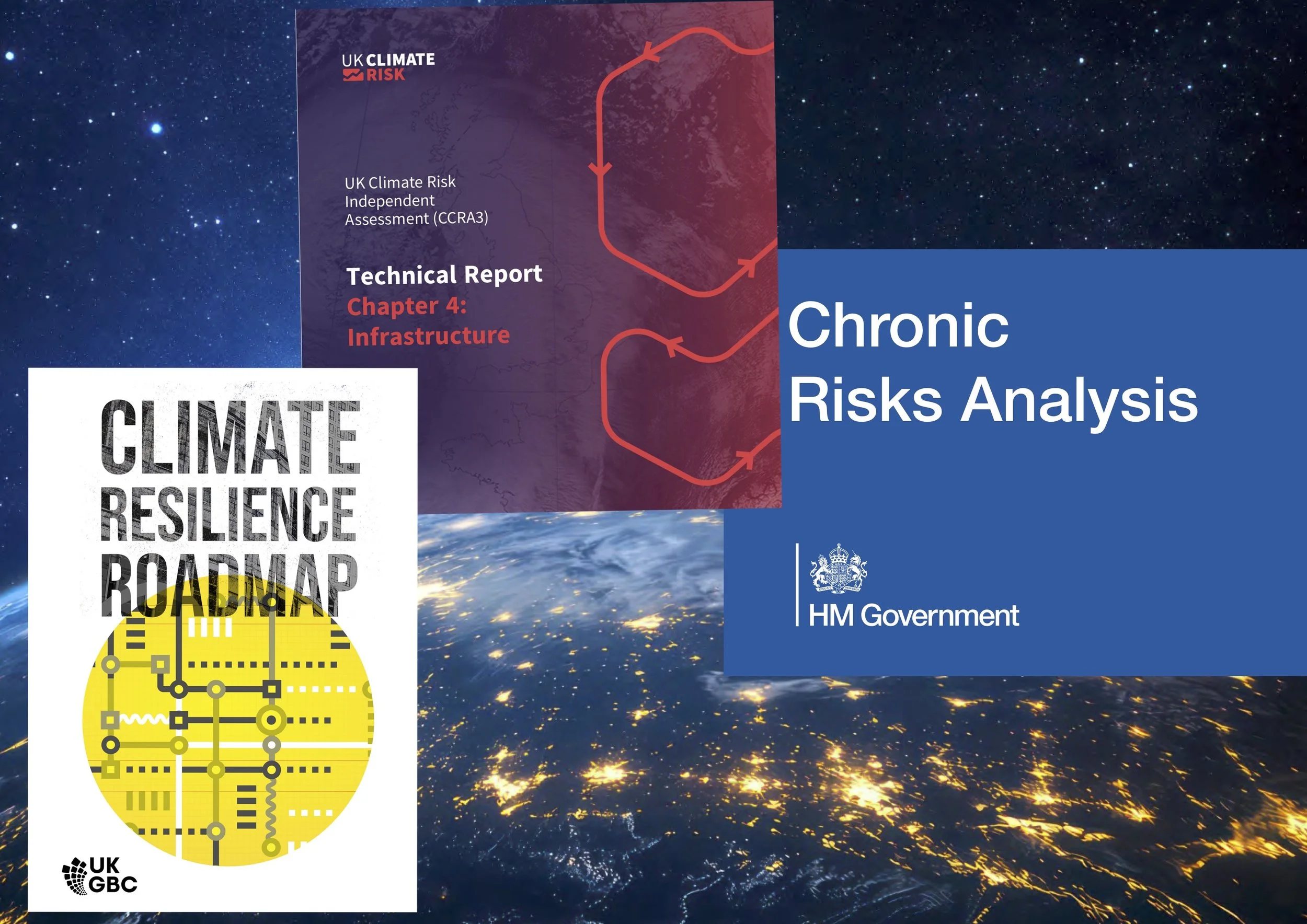
the Edge’s biannual report covering
2023 to 2025 is now available
Other recent news:

the Edge has responded to MHCLG’s Call for Evidence: Strategy for the built environment professions, trades and occupations
In our summary letter to MHCLG we have highlighted our key concerns under three headings: Cost, Competence and Clients.
Cost: The inherent adaptability of the sector has led it into the cul-de-sac of putting financial considerations before else, and this urgently needs to change, with ethical decision-making and the wider public interest being upgraded to prime positions
Competence: the Edge recommends the regulation of individual competences rather than entire disciplines .The professions to retain their flexibility and adaptability in order to innovate, survive and thrive.
Clients: Any regulation of professional, trade and occupational services needs to be accompanied by equivalent oversight of the client side of the equation.
Edge Debate 201: Who’s Afraid of Good Research and Information? 22nd September 2026, 18.30 – 21.00
NLA, The London Centre, 3 Aldermanbury, London EC2V 7HH
The UK's built environment sector is a powerhouse of the economy yet has no nationwide source of trusted research information - discuss!
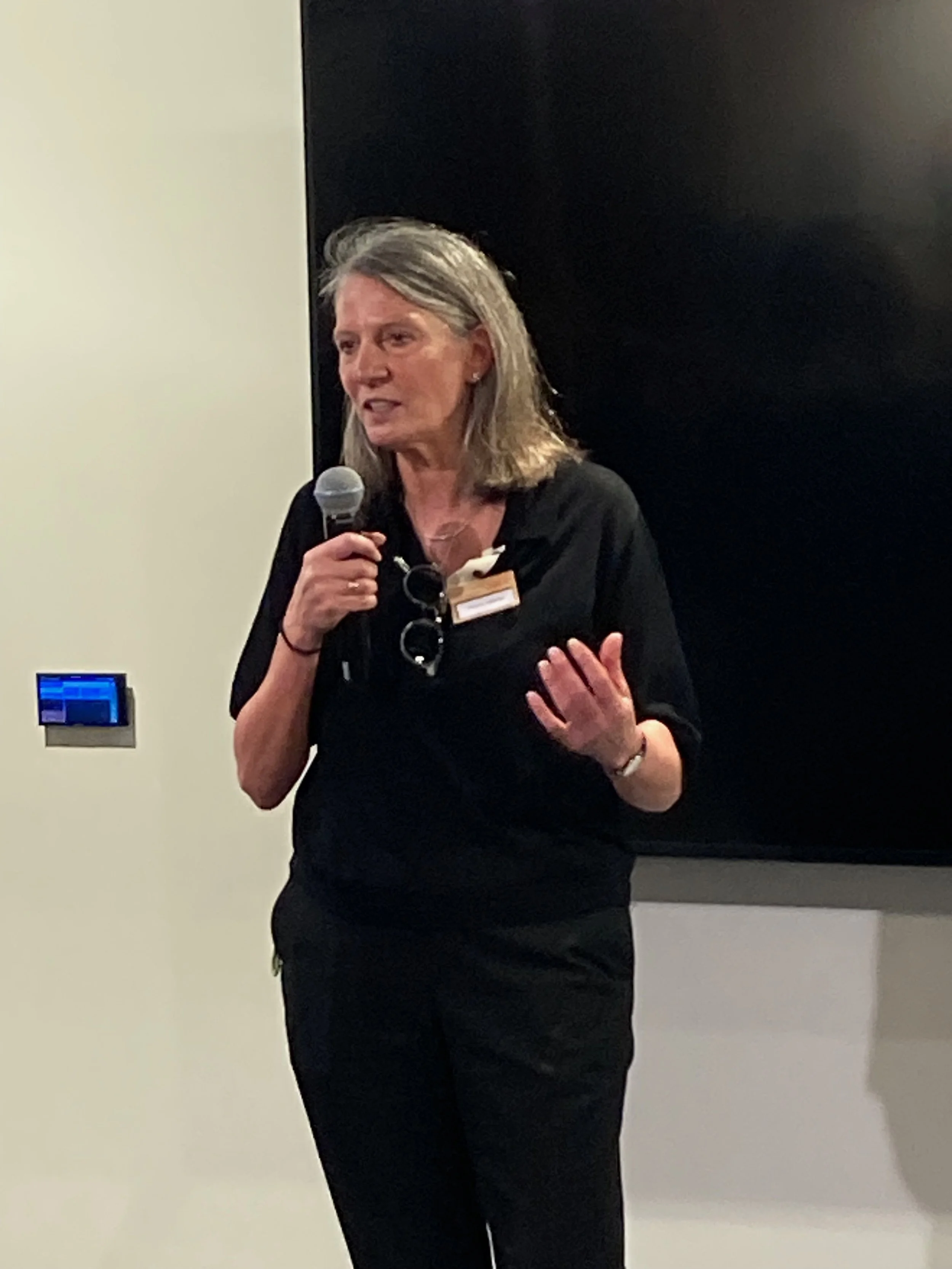
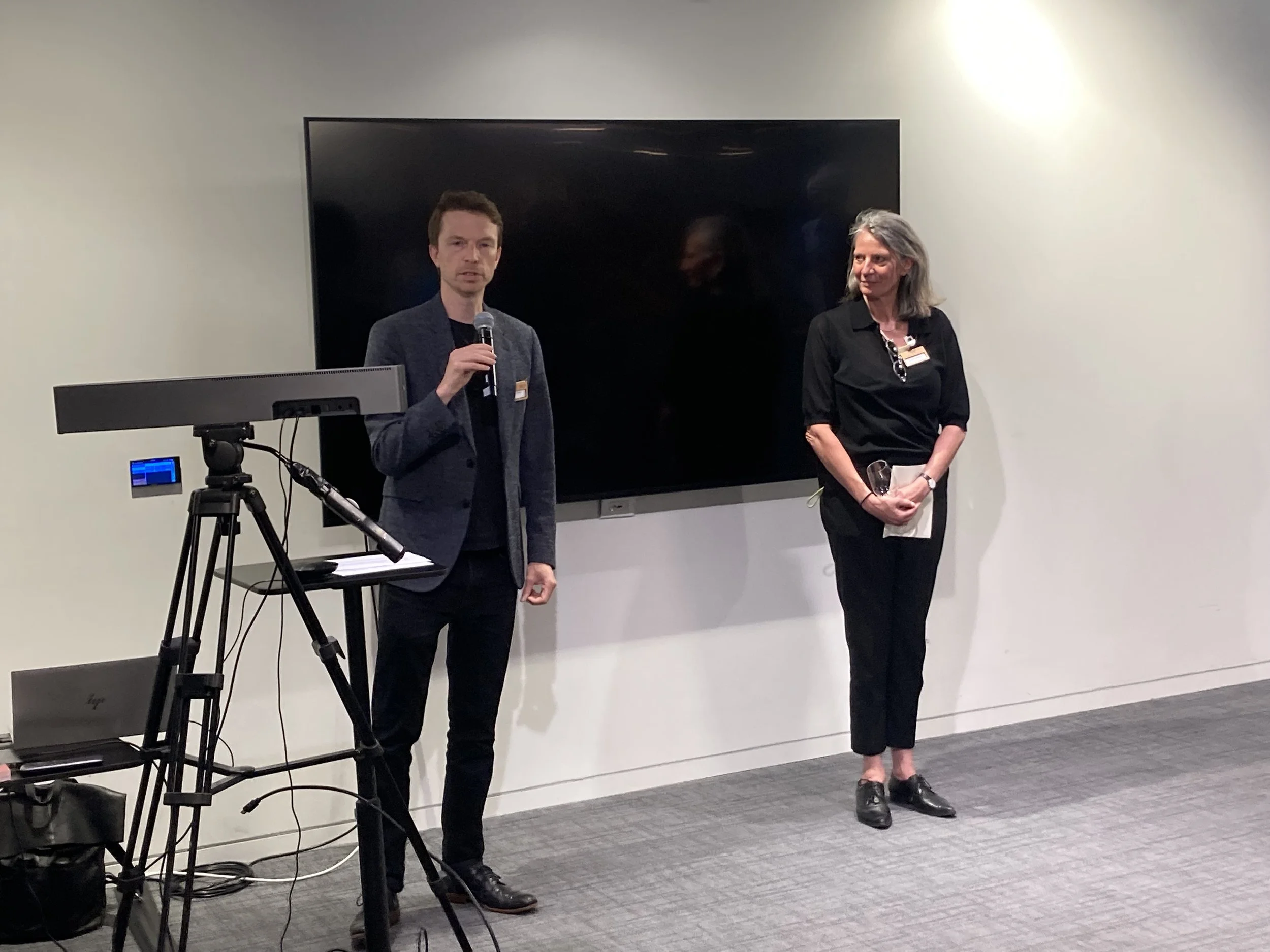
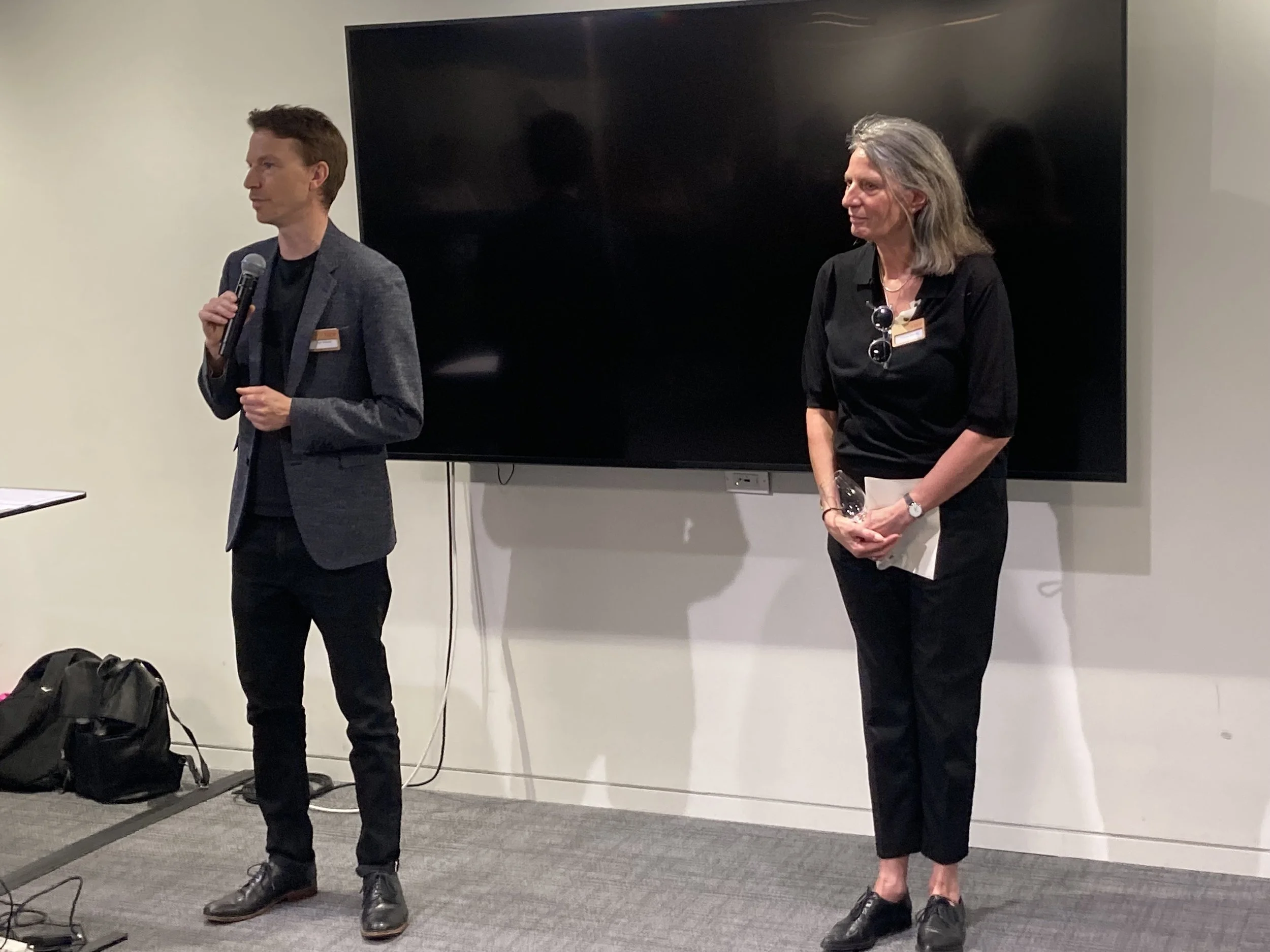
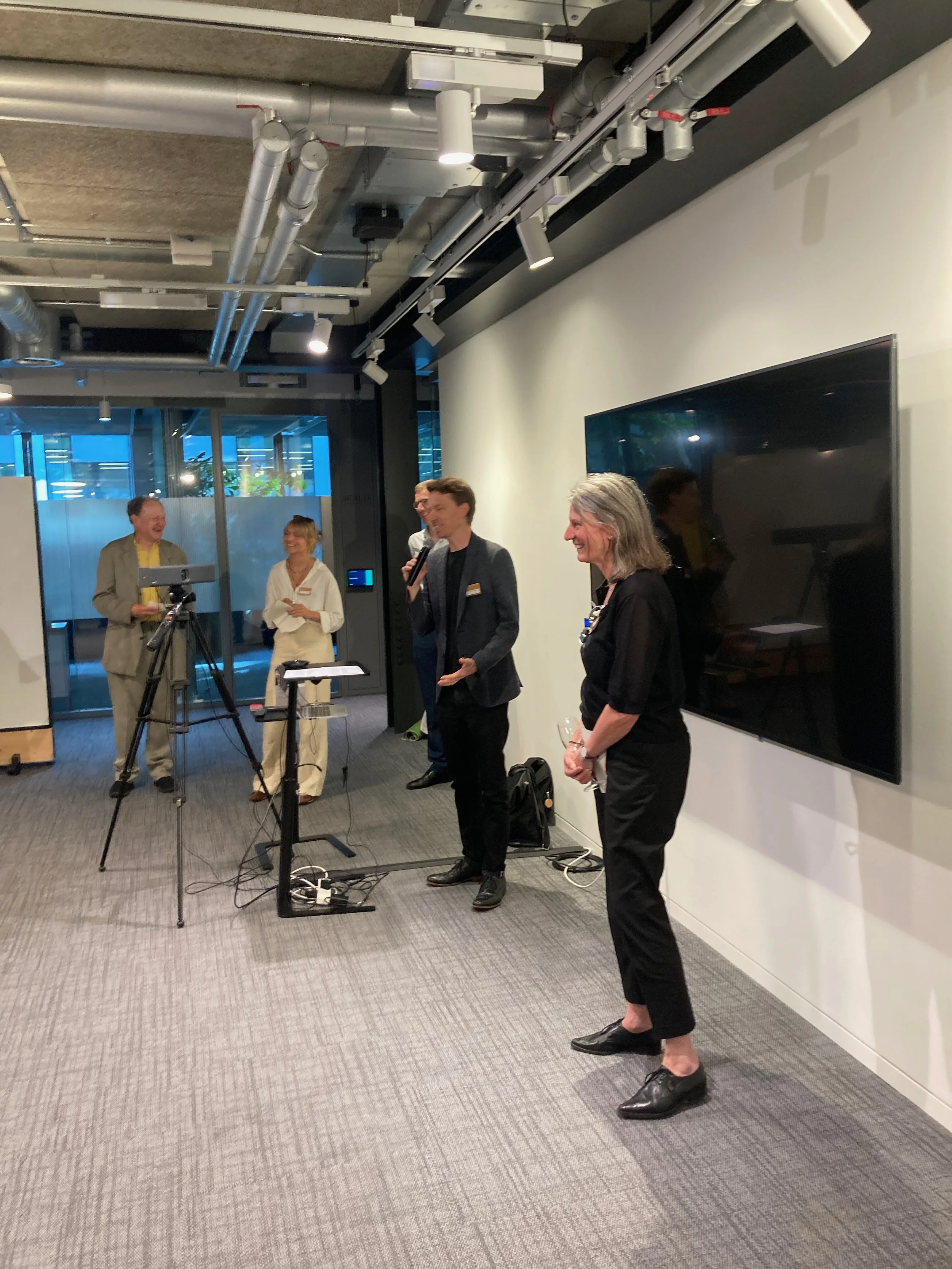
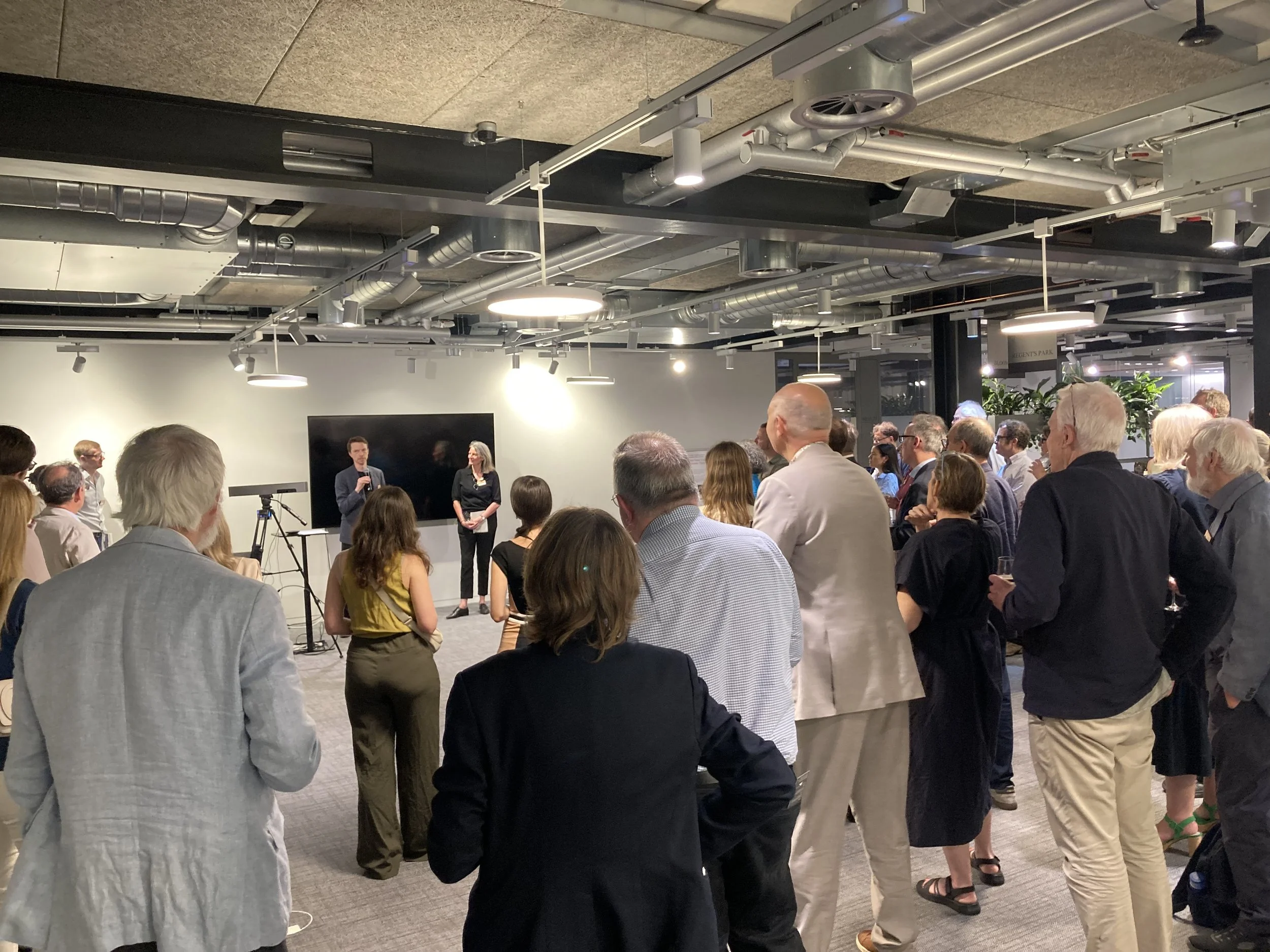
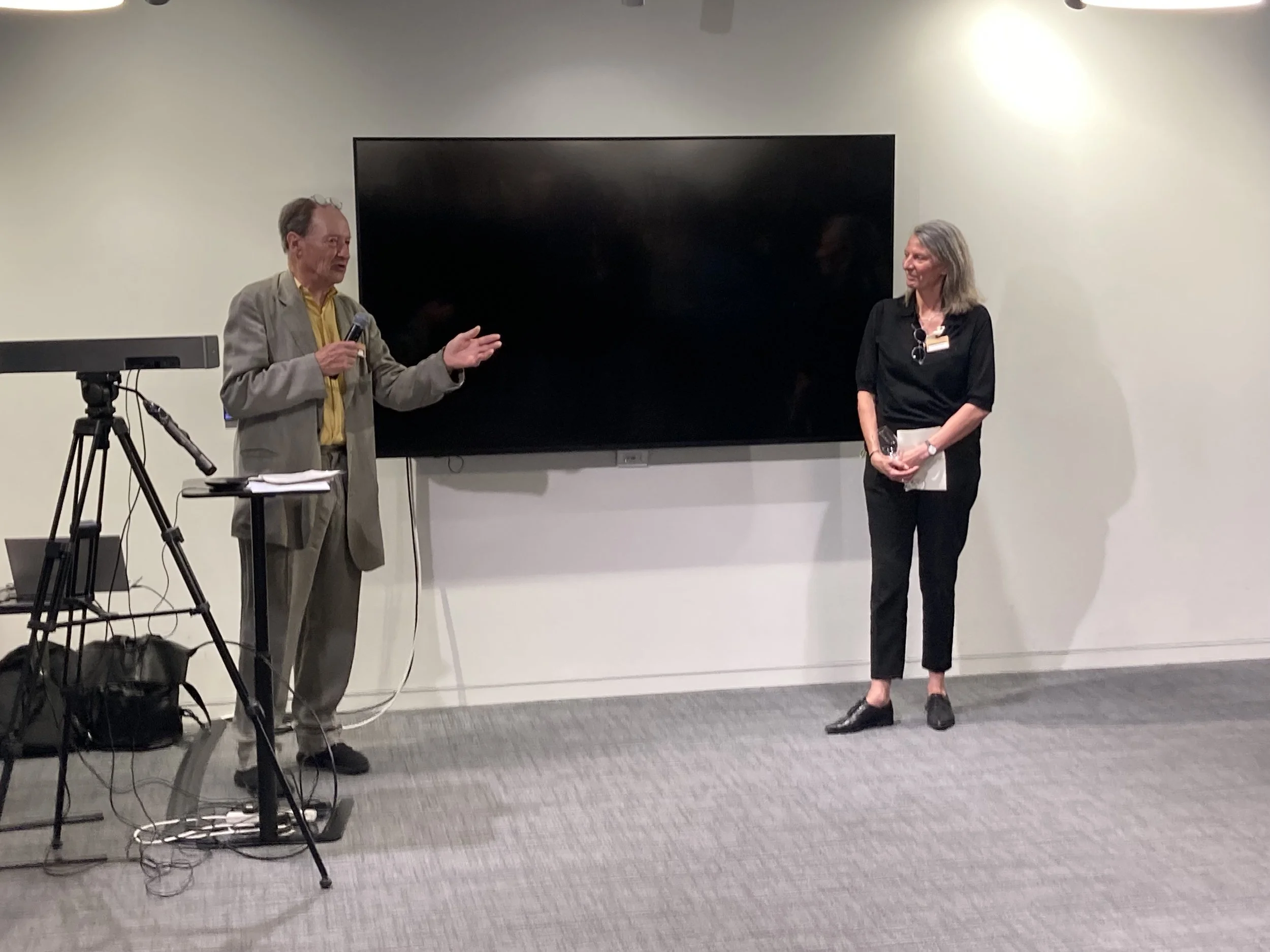
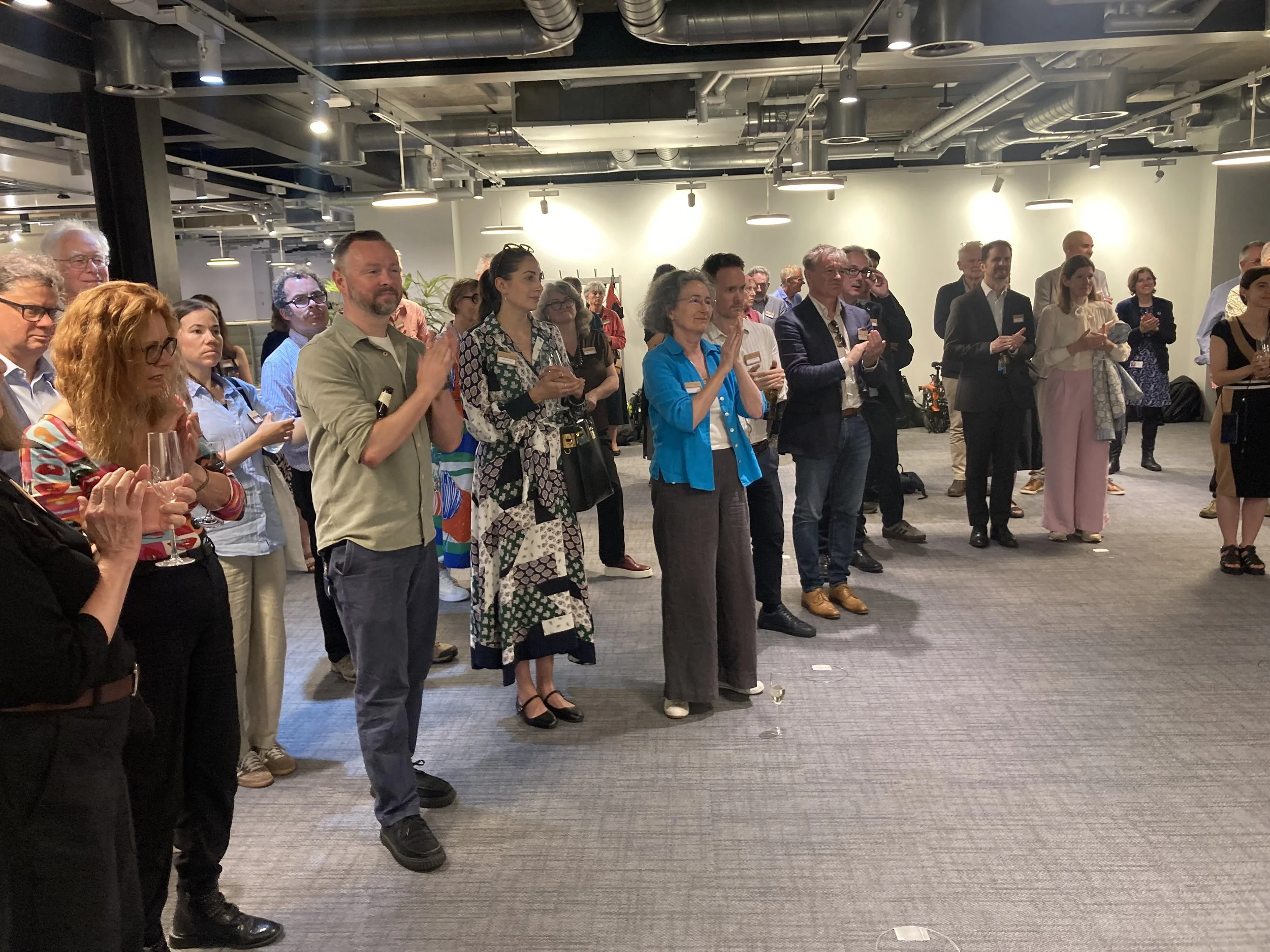
the Edge at 30: To mark our 30 years as an independent built and natural environment think tank we held a celebration at Arup in central London on the 18th June
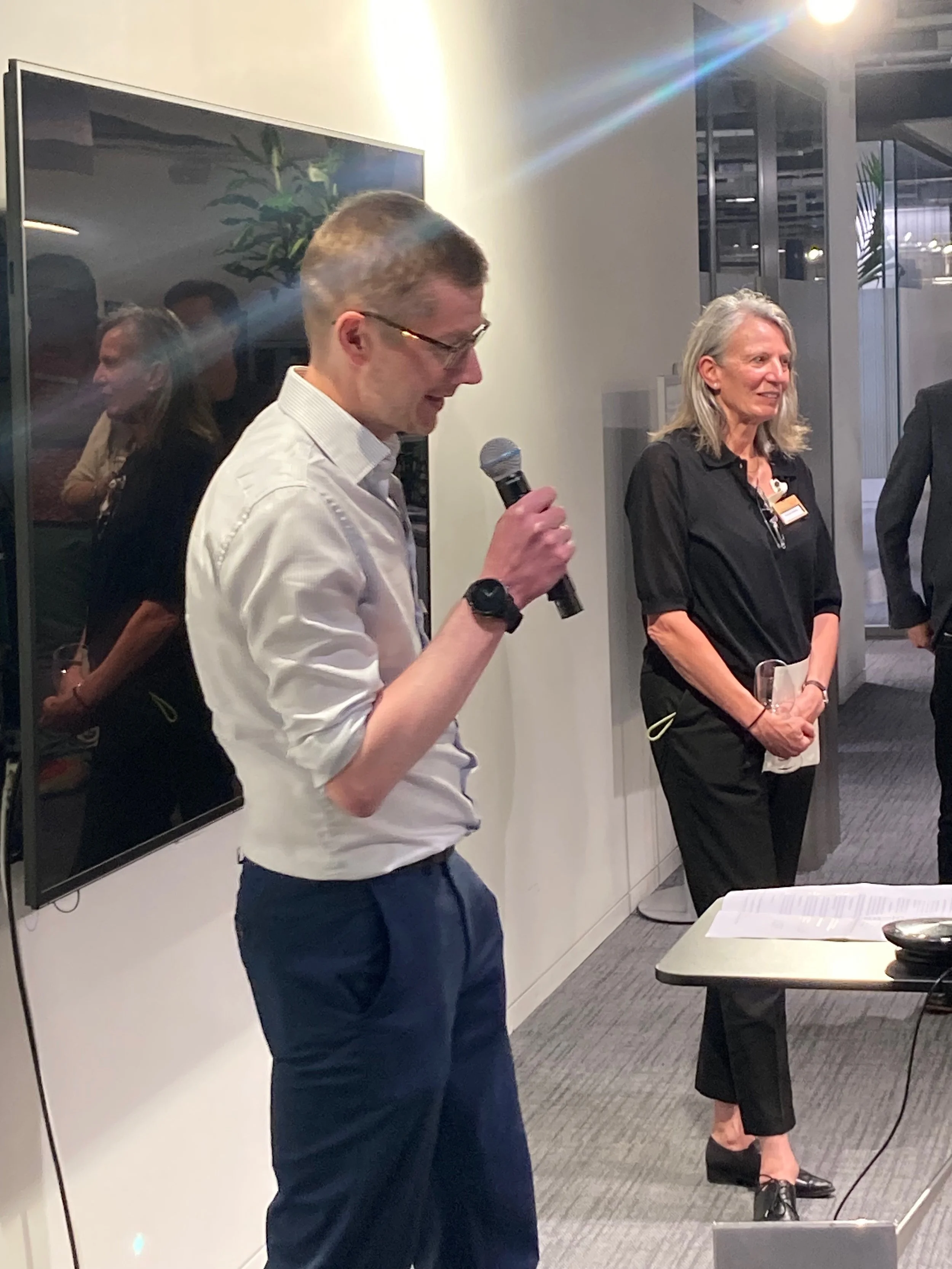
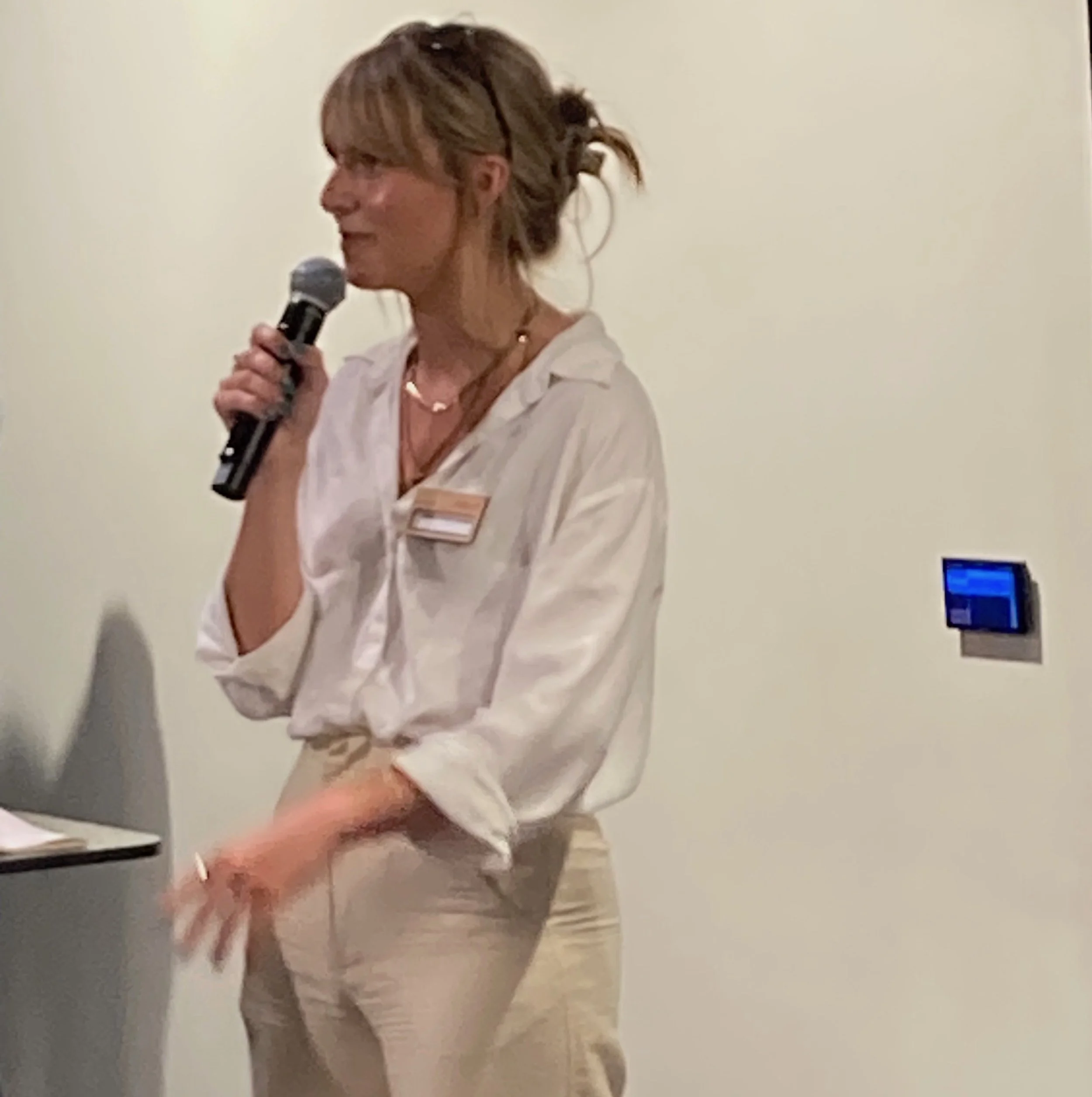
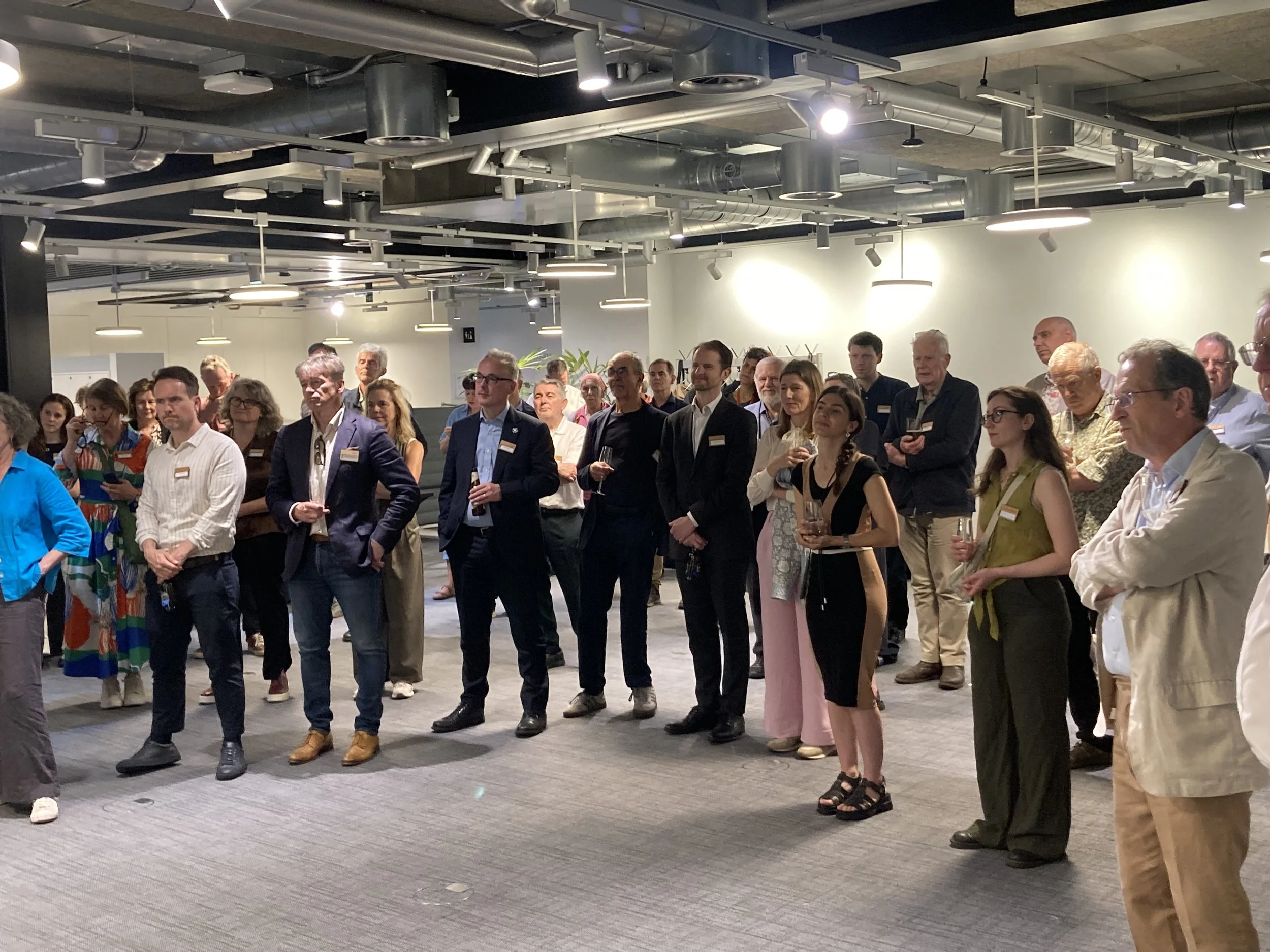
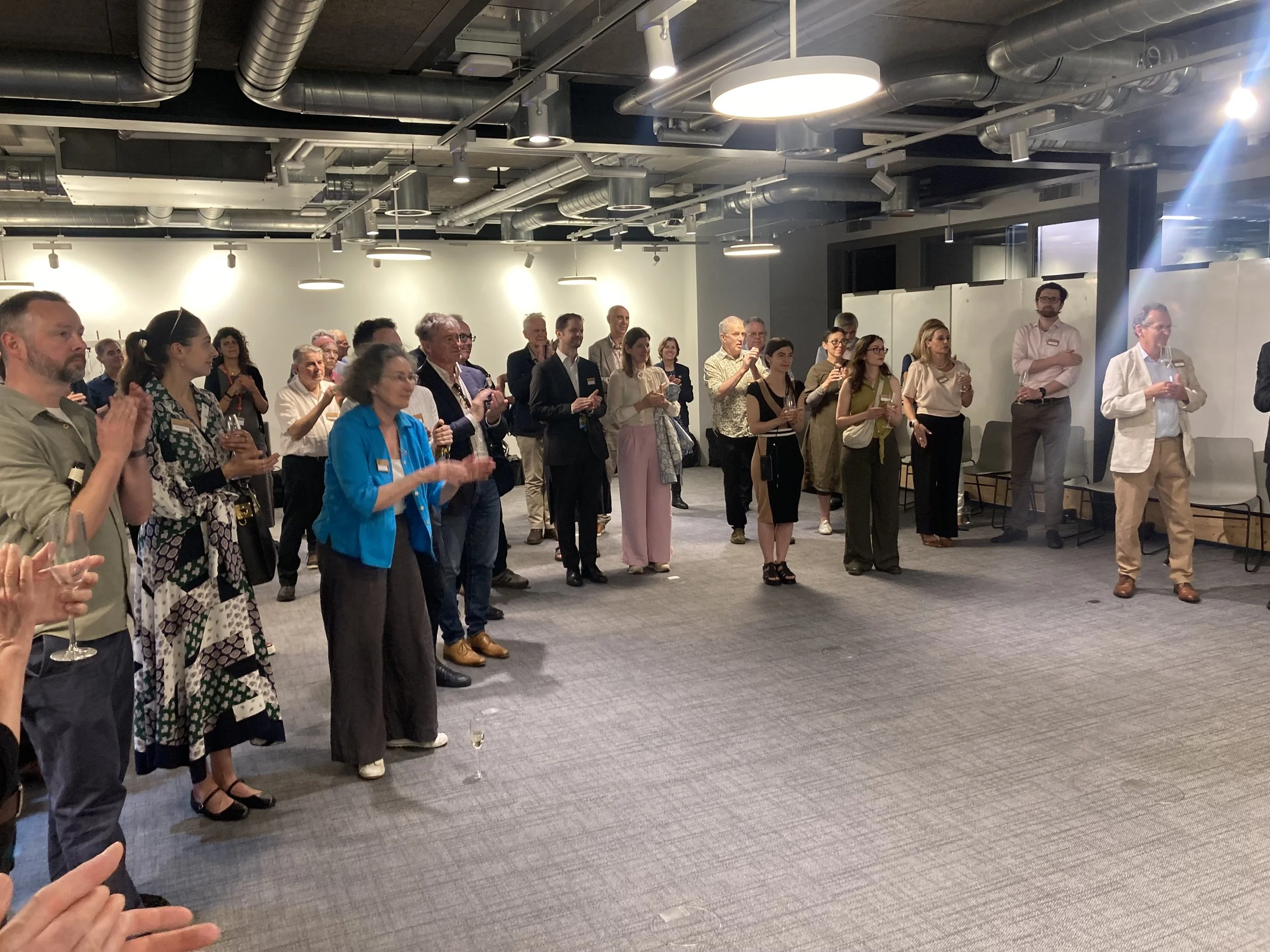
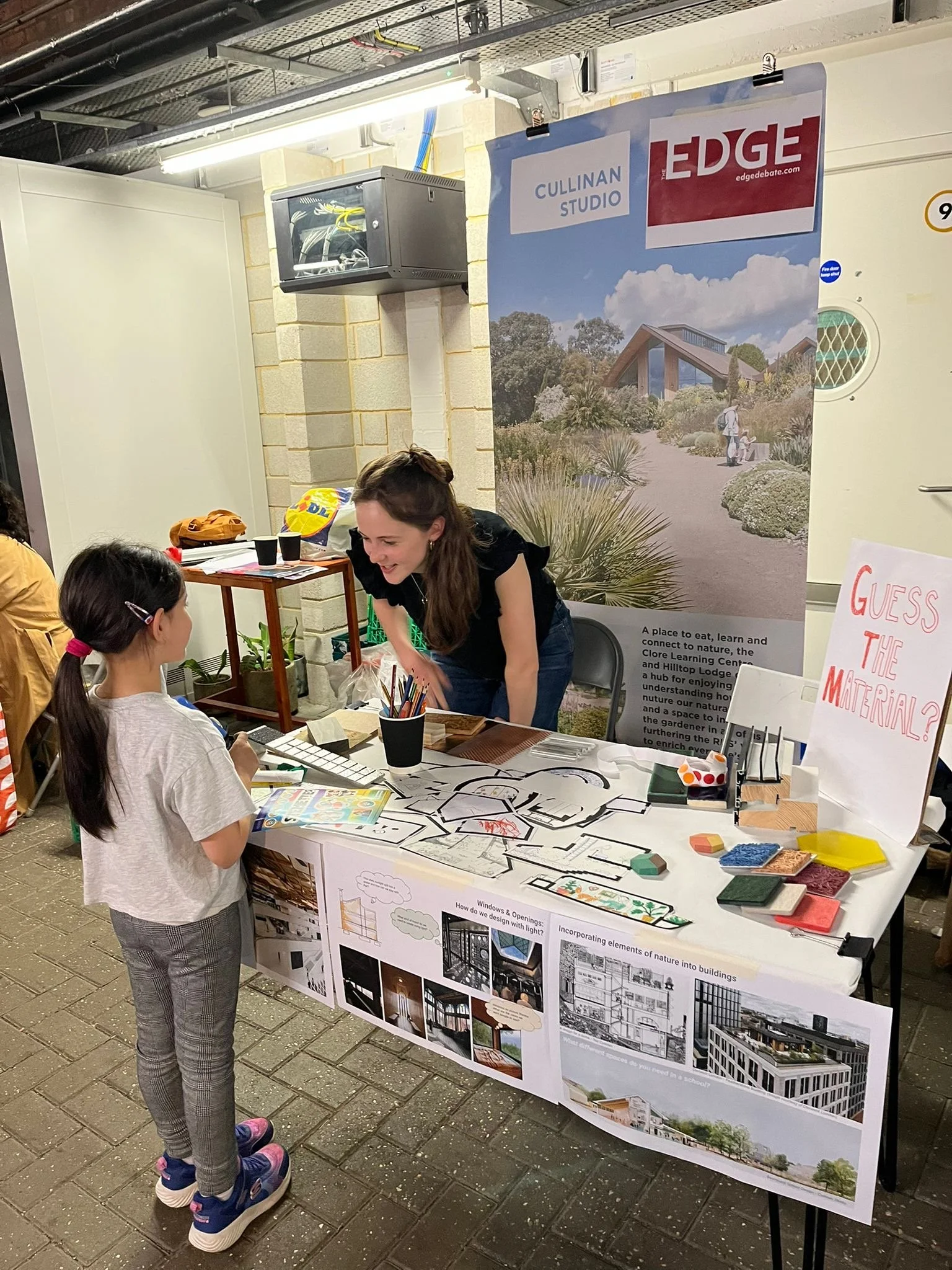
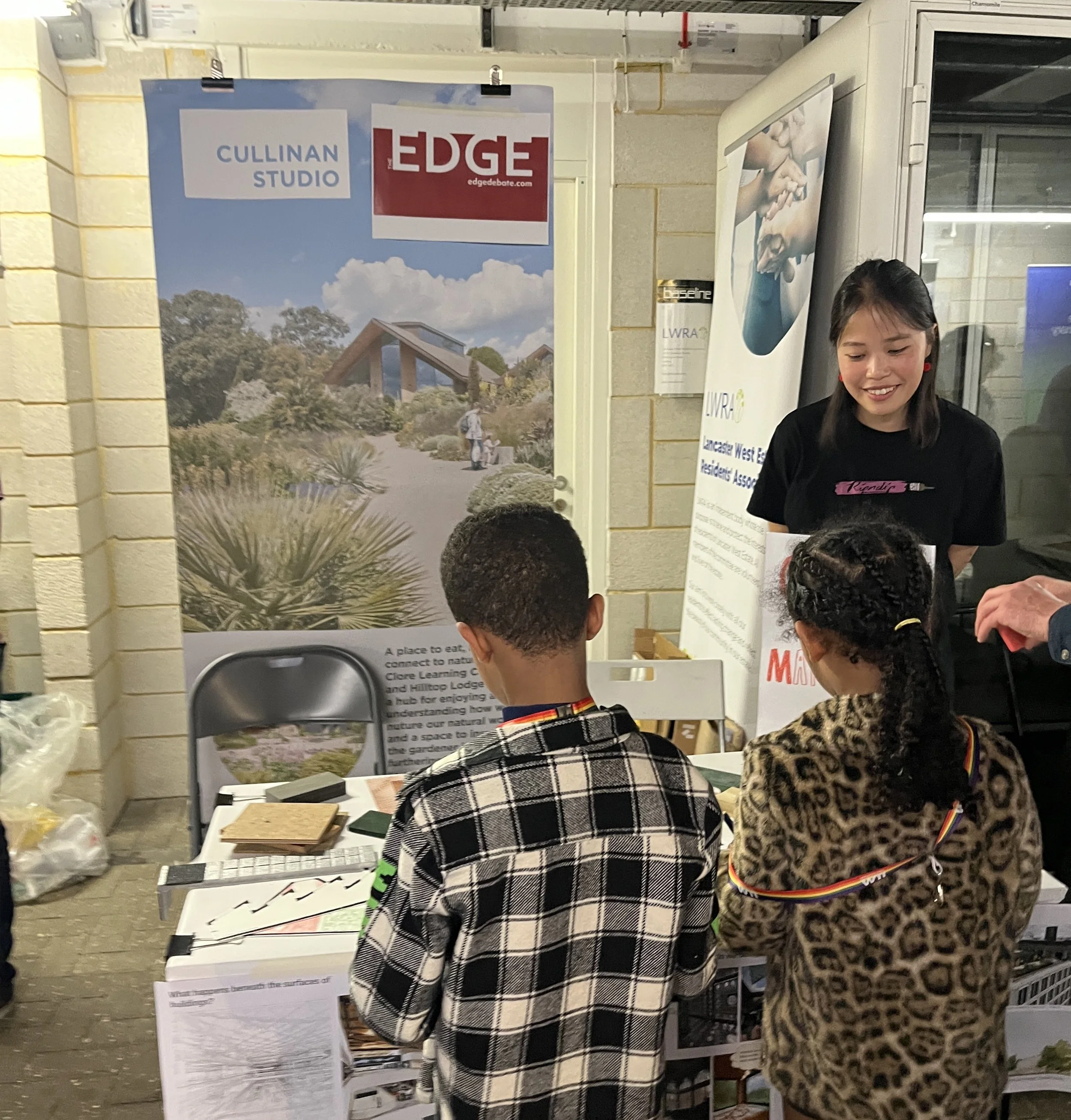
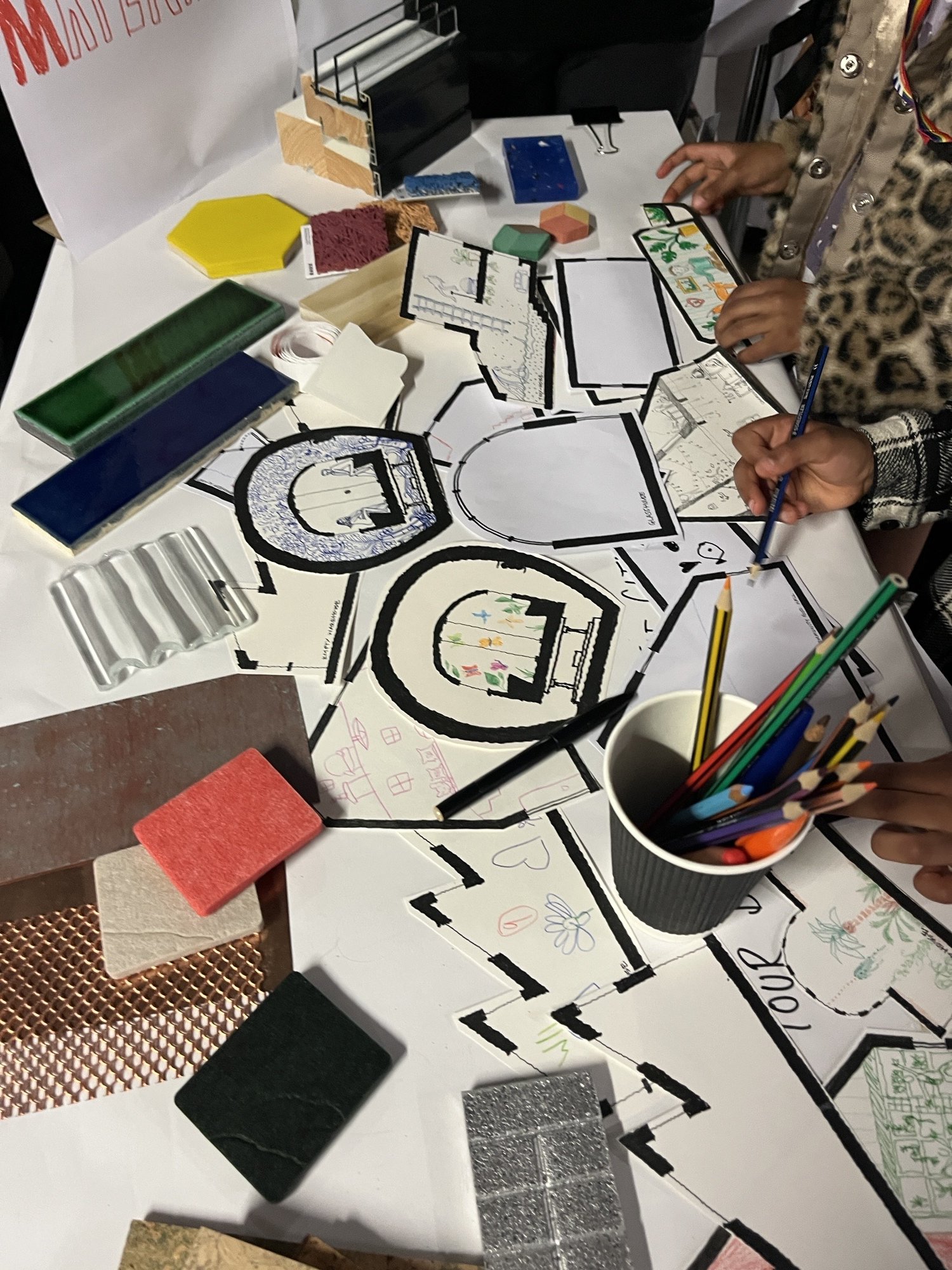
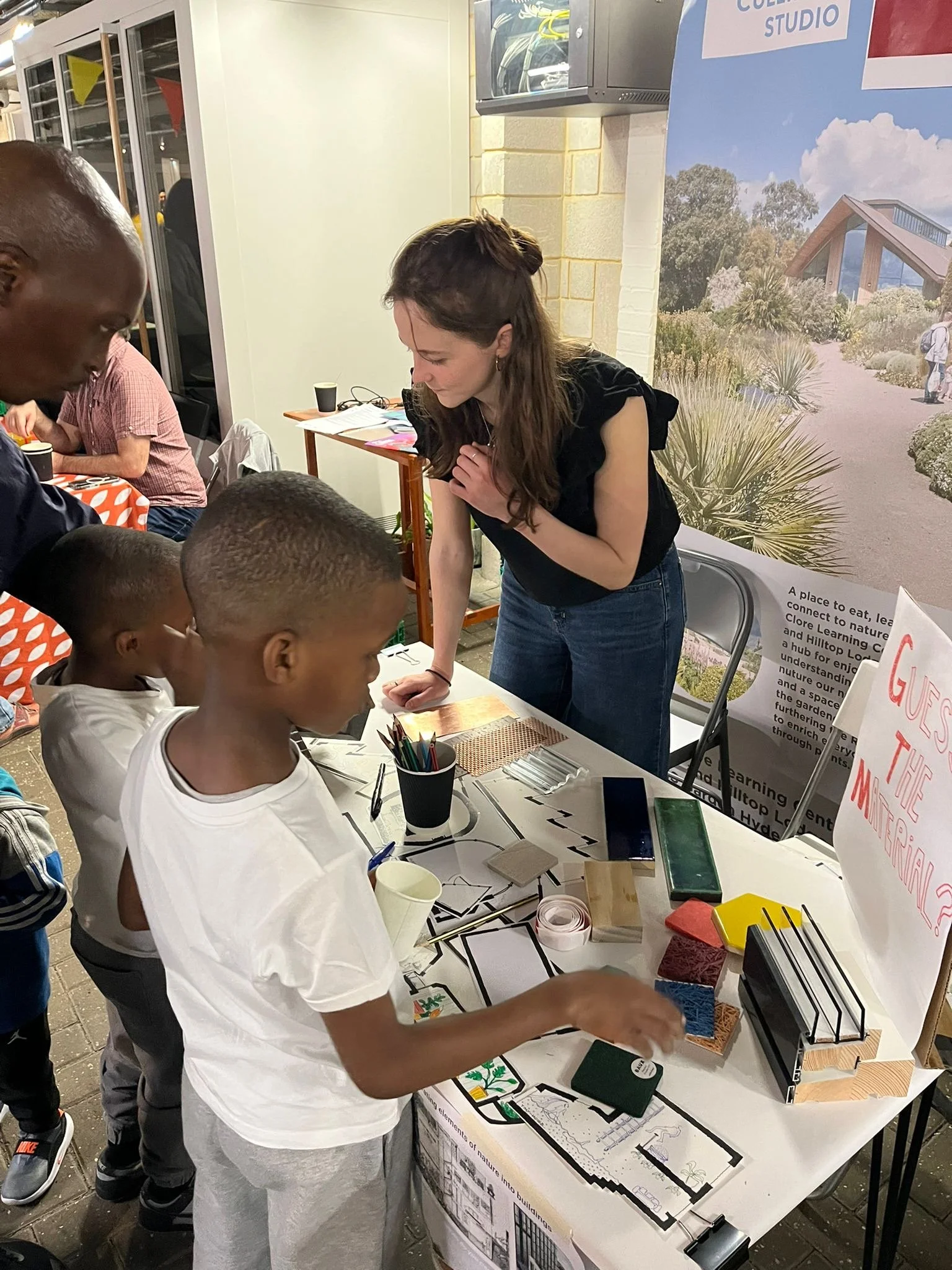
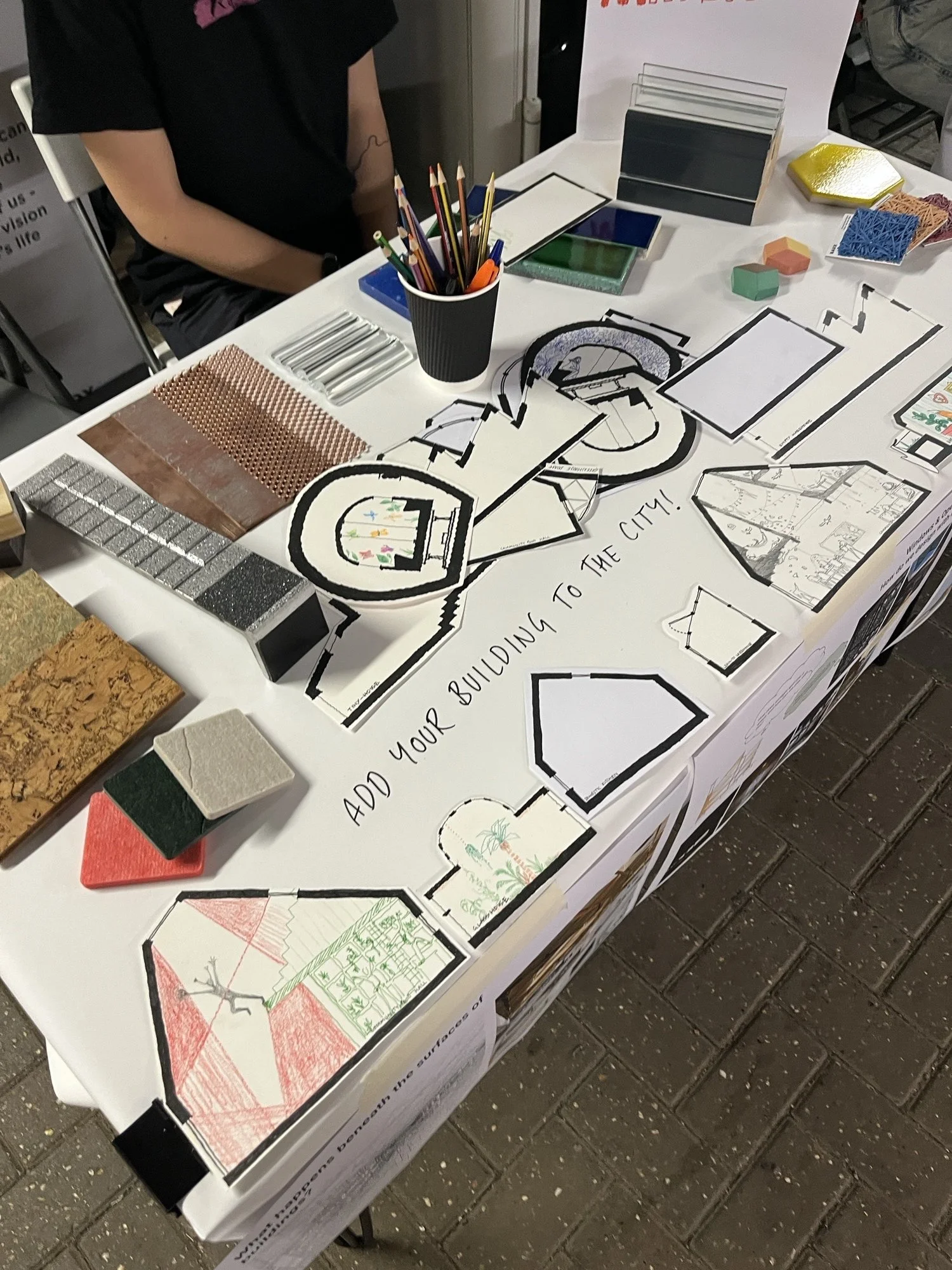
On the 19th May 2026, Edge members, Michelle Wang and Alice Kerry, hosted a stall at the Lancaster West Estate’s Futures Fair.
“It was a brilliant opportunity to talk to estate residents and share insights about careers in the construction industry that promote sustainability. A fantastic day, full of inspiring conversations and fun activities for children and adults! It was a joy to speak to the next generation about what they find inspiring and exciting.”
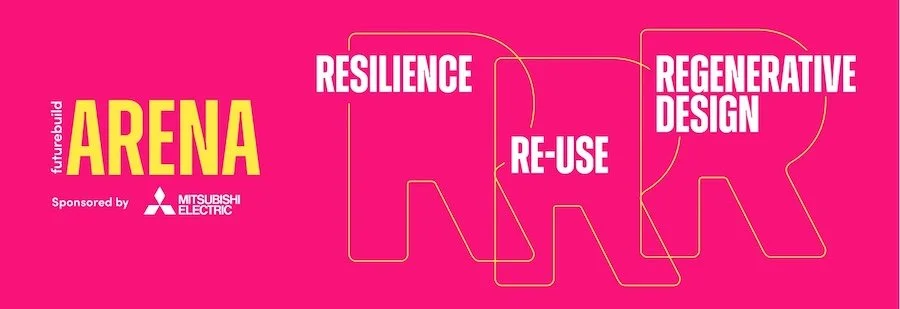
the Edge is once again curating multiple events at this year’s Futurebuild Arena Conference, being held in conjunction with and UK Construction Week from the 12th to the 14th May in Excel London
The theme for 2026 is Achieving Resilience through Regenerative Design and Reuse:
Resilience - commonly defined as “the capacity to withstand or recover quickly from difficulties” - What can we all do to respond to achieve a truly resilient future?;
Regenerative design - an approach that embeds systems thinking to resource flow management; and
Reuse - which in this context reuse includes reusing, repurposing and retrofitting buildings; operating within a circular economy and preserving and taking a responsible approach to all resources and nature.

March 2026
the Edge has responded to the Consultatation on a Single Construction Regulator
the Edge is generally supportive of the direction of change described in the Single Construction Regulator Prospectus, as it is both very necessary and overdue, but we have several overall concerns:
Lasting change needs to be achieved through evolution, albeit at pace, and not revolution.
While the Prospectus reasonably lays blame at the door of the delivery side it fails to acknowledge the role played by Government as detailed in the Grenfell Tower Inquiry report.
The system of professions, with their underlying obligation to the public interest, developed in the UK to raise standards and quality in the Nineteenth Century, still works commendably well. It is a system that needs upgrading and holding to account, and not superseding.
Although the Prospectus, and the reform agenda overall, focuses on building safety, it is only one area in which competence is urgently required in the built and natural environment sector. the Edge is clear that competence in sustainability, environmental conditions and chronic risk mitigation should be addressed alongside that for building safety; and that most the effective approaches for realising these goals are frequently identical
the Edge has responded to the Consulation on proposed reforms to the National Planning Policy Framework .
While recognising that there are many improvements suggested to the NPPF the Edge has seven significant concerns with the proposed text:
Strategic land use decisions need to be set in the context of a comprehensive national land use framework;
The purpose of planning is stated to be achieving sustainable development, but the focus of this draft NPPF is on planning for growth in housing numbers;
The document does not have sufficient regard for the government’s obligations under climate change legislation, nor does it make the planning system fit for mitigating and adapting to climate change;
The document contains measures that are intended to protect the natural environment, but largely roll back existing protections - placing nature at greater risk;
The document has many potential loopholes that would allow the policies to be resiled from by decision-makers;
The document offers guidance for public bodies operating the planning system, but says little about expectations of, or requirements on applicants for planning permission; and
There is a lack of any commitment to monitoring, evaluation and progress reporting, either by planning authorities or MHCLG.
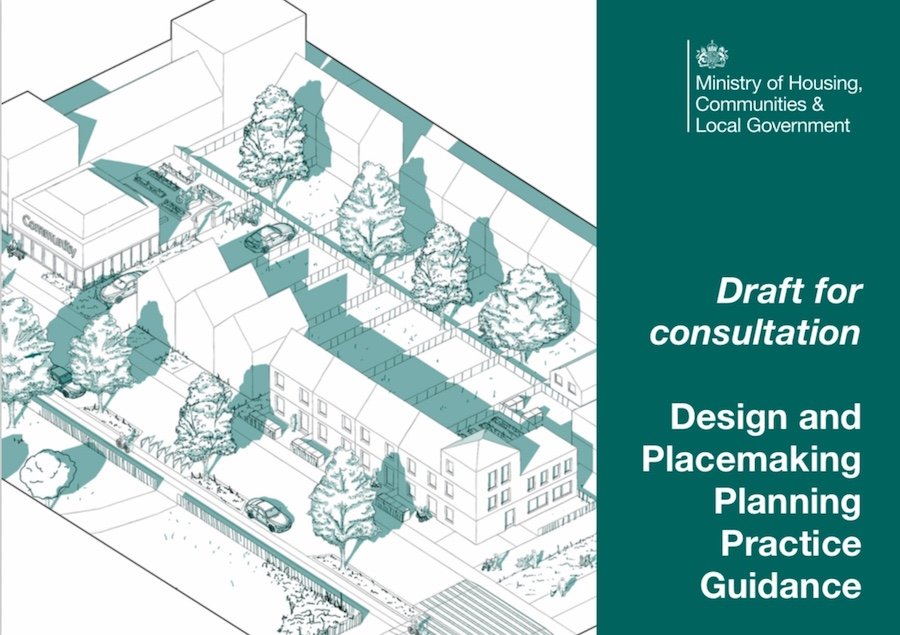
the Edge has responded to Design and Placemaking Planning Practice Guidance: consultation document issued by the Design and Placemaking Team
We congratulate the D&P team on an important contribution to the issue of design quality in new housing developments and to improving the quality of places across England.
This should though be placed in the context of our major concern about whether local authorities have the financial or skilled staff resources to provide the decision-making process, design codes and guidance recommended in the PPG. Additional resource will be needed to support LPAs across the country to deliver on the implicit promises made in the PPG regarding good design and placemaking.
We also note that, alarmingly, nowhere in the document is the issue of affordability of housing and other accommodation discussed, even when this is one of the most pressing issues of our time.

Dr Frank Duffy, co-founder of DEGW and founder of the Edge, dies 21st Feb 2026
the Edge commemorates and celebrates the life of one of our founding members, Frank Duffy,- one of the most influential built environment thinkers of our time and author of the Edge Futures volume, Working and the City, published in 2008
Aided by scholarships, Frank trained at the Architectural Association and Berkeley with a PhD from Princeton and went on to co-found the ground-breaking international practice DEGW with Peter Eley, Luigi Giffone and John Worthington. He provided the understanding and scholarship that led to their rethinking office layouts and he wrote about it prolifically.
While President of the RIBA (1993-95) he worked tirelessly to turn the profession into a collaborative knowledge-based one. In 2004 he assembled some of his writings into Architectural Knowledge: the Idea of a Profession.
In 1995 he rose to the challenge put by the Arup Foundation’s chair Sir Jack Zunz to bring the ICE and RIBA closer together and with the help of civil engineer Peter Guthrie and architect Robin Nicholson devised the Edge.
In his last paper with Andrew Rabeneck he wrote “What has sharpened the desire of Edge members to collaborate, both at an intellectual level and within the context of projects, has been the urgent need, felt by all members, to address the complex and inherently interdisciplinary issues raised by the challenge of sustainability in the face of climate change. These discussions may be regarded as a prototype for collaborative open-ended, knowledge-based professionalism. Perhaps inevitably they have been exploring the potential for a radical redefinition of professional structures within the wider construction industry as well as practical ways to promote discussion, collaboration and added value.” - Frank Duffy and Andrew Rabeneck (2013) ‘Professionalism and architects in the 21st century‘ in Building Research & Information 41(1) 115-122
Frank was immensely kind and caring; inspiring many of us. His hand-drawn Christmas cards were always a welcome delight.
https://livesretold.co.uk/frank-duffy
the Edge thrives as an active memorial to Frank Duffy.
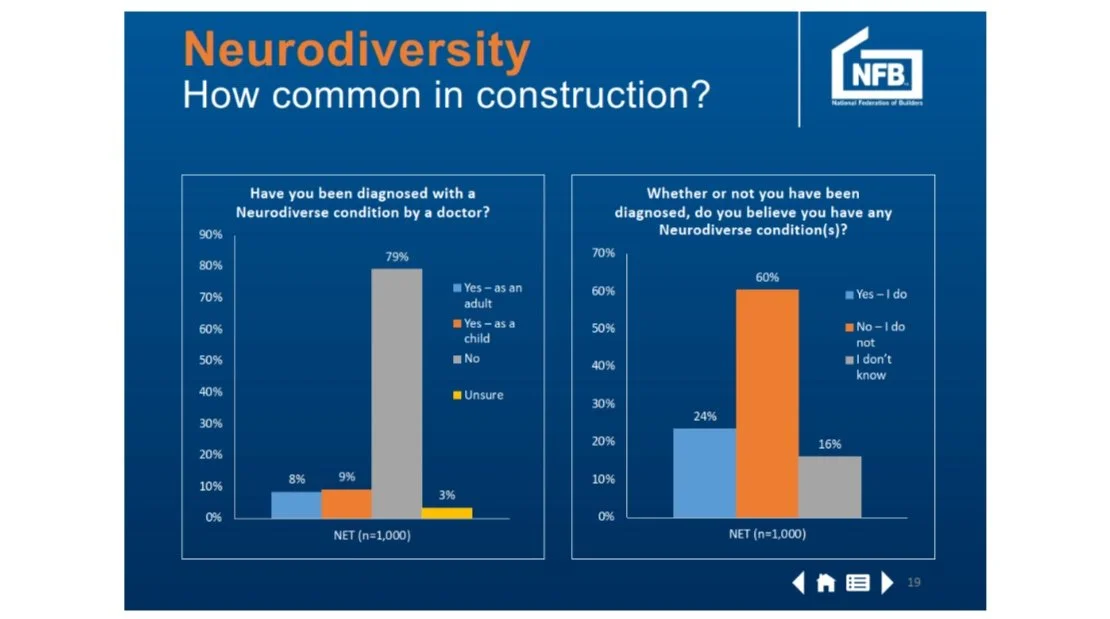
Edge Debate 192 Neurodiversity: How can we go from awareness to change?
CIBSE HQ, 26th March 2026, 18.00 – 20.00
The built environment sector has been making significant progress in raising awareness and understanding the benefits of diversity and inclusion, but how do we move beyond intent and slogans to measurable change?
This debate, will ask how neurodiverse thinking can be recognised not as an adjustment, but as a catalyst for innovation and better outcomes.

Edge AI podcasts
the Edge continues to run expert level roundtables under the Chatham House Rule to address major issues affecting the built and natural environment. Attendance at these is inevitably limited but we do publish anonymised long form notes of the discussions on each event page and recently we have added AI generated podcasts based on the notes of the discussion. These succintly sum up the subjects covered by each roundtable, albeit in a livelier and Americanised style
Edge Debate 189: Competence - What is it good for? - 1800 - 20.00, 20th January 2026, Arup, 80 Charlotte Street
A debate to ask whether the professions are doing enough to respond to changing circumstances or if the current system of professionalism could be replaced by a new, less welcome regime?
Edge Roundtable 191: Addressing long term risk in the built and natural environment, 27th November 2025, IStructE
In the built and natural environment where projects have lives measured in decades, if not centuries, there is a need to anticipate events and environmental conditions long into the future and with the likelihood that even low probability events will eventually occur , especially when factors such as climate change, damage to natural systems and even inadequate maintenance are taken into account. This Roundtable addressed how long-term risk should be understood and approached
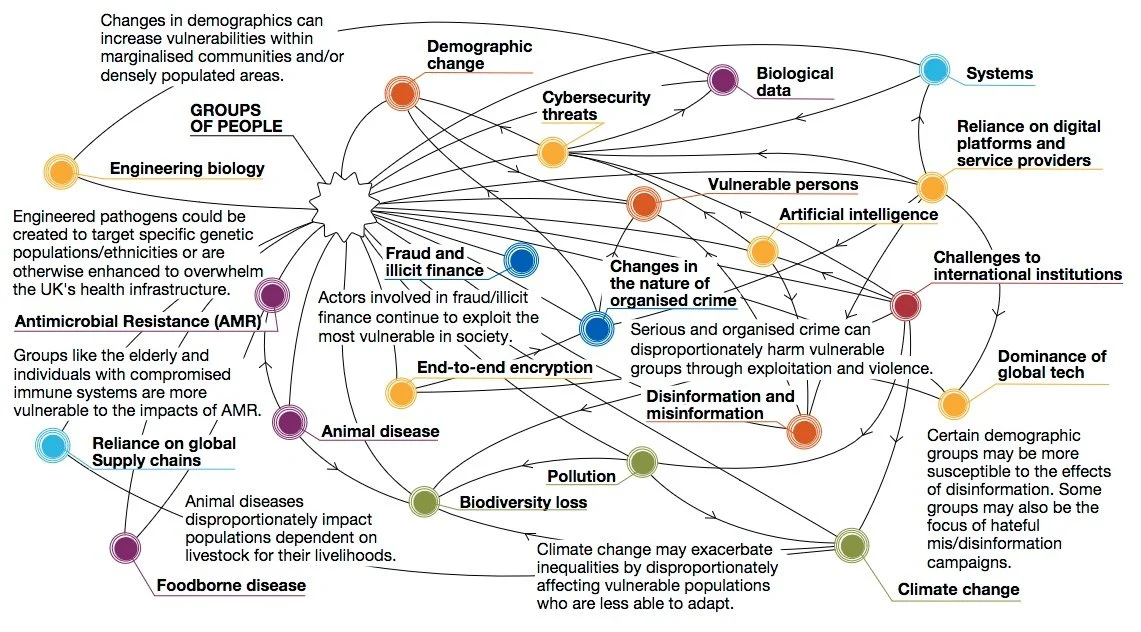
Edge Conversation 190: How prepared are we? - 13th November 2025, Lucy Cavendish College, Cambridge
In recent years we have all become far more aware of the importance of risk and the need to factor it into decision-making. To provide an overview of the issues and challenges, the Edge has invited Dame Professor Julia King - Baroness Brown of Cambridge, Sir David King and Professor Brooke Rogers for an in-depth discussion. The discussion will be hosted by and held at Lucy Cavendish College followed by Formal Hall.
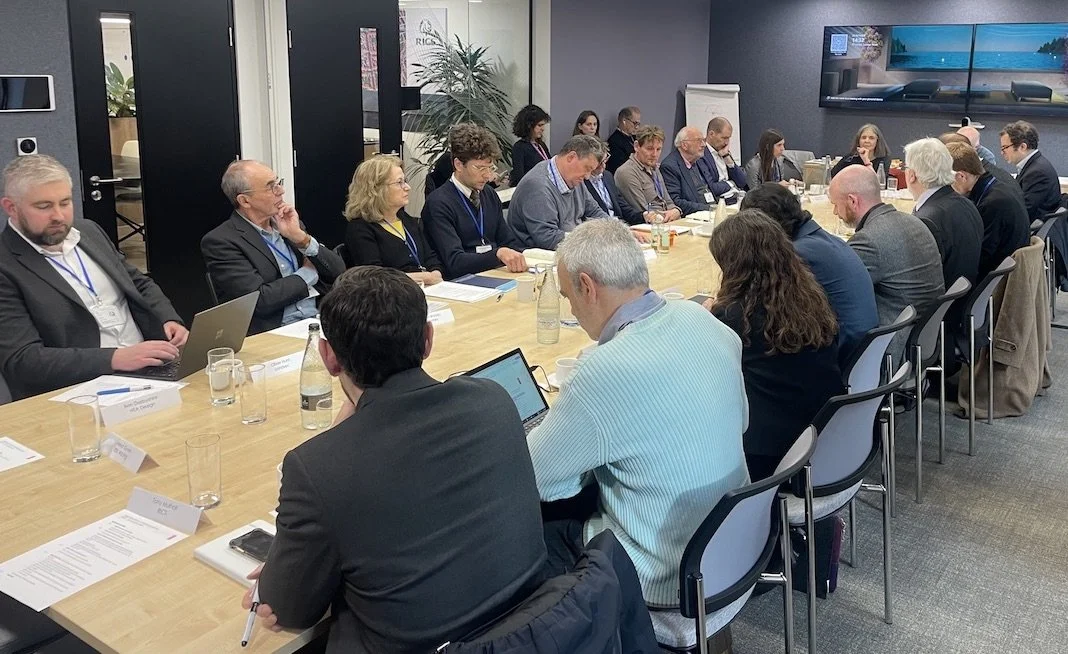
ED188 Edge Roundtable on Rethinking Planning - 22nd October 2025, RICS
The Roundtable considered whether, or not, fundamental change is needed to create a planning system fit for tackling 21st Century challenges around climate, nature, prosperity and wellbeing. the Edge brought together a range of thinkers, from across the political spectrum and a variety of disciplines, who have expressed ideas about replacing, or radically reforming, the current planning system to consider both the future of the system instituted after 1945.
Built environment governance and professionalism: The end of laissez faire (again) - Simon Foxell
Buildings and Cities journal has published an essay by Edge member Simon Foxell examining issues around governance and professionalism in the built and natural environment sector and reflecting on much of the Edge’s recent work on this topic. The essay is open access from Buildings and Cities

Edge Debate 187: Why the UK needs a National Built Environment Research Organisation - 7th october 2025 18.00-20.00 (in person)
Built environment activities in the UK account for over 20% of GDP yet there is no public sector research organisation to support it. the Edge will debate this issue with a range of expert speakers
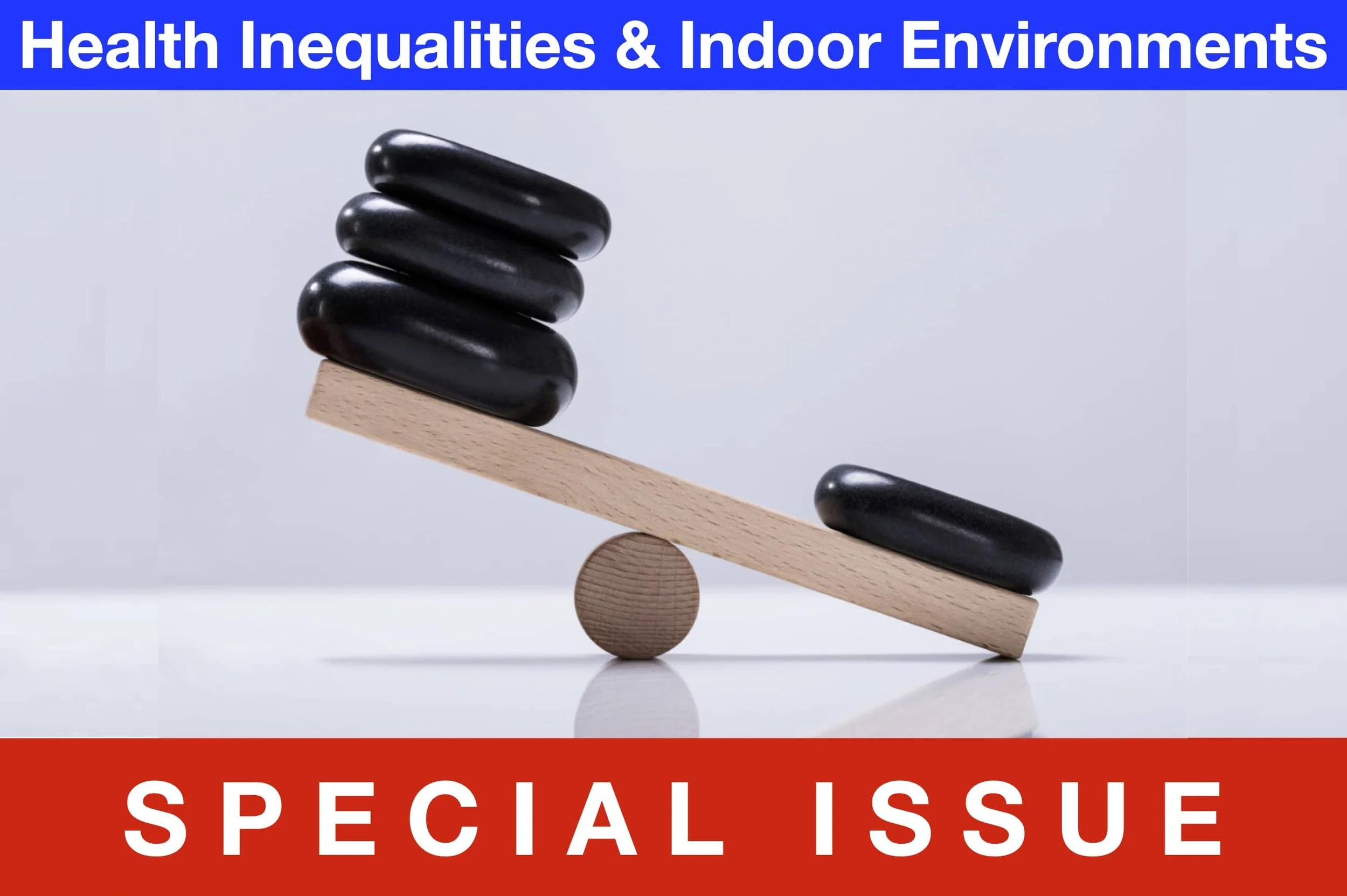
Edge Debate 186: Securing health equity through indoor environments - 23rd September 2025 (In person)
Health inequalities and inequities that affect the poor and vulnerable are a critical societal challenge. Existing structural inequalities and mounting pressures from environmental degradation, e.g. climate change, are exacerbating the situation.
Before her untimely death last year Edge member Nicky Gavron was determined that the projects she was working on in her final months reach fruition.
One of her main focuses was creating a website to share the important story of the London Planning Advisory Committee (LPAC). We are delighted to announce that with the hard work of Richard Derecki and a team of Nicky’s former colleagues, the website has now been launched and is being promoted by The London Society.
the Edge has responded to Defra’s Consultation on ‘Improving the implementation of biodiversity net gain for minor, medium and brownfield development’
the Edge strongly supports the principles of biodiversity net gain (BNG) and the government’s intention that it should cover ‘most planning applications’, but a significant concern is …

Edge Debate 185 - Urban Climate: How do we connect land value and built form to create liveable cities? 14th July 2025 17.30 - 19.30
Land value is a powerful driver of urban form, but should that value also respond to the way built form supports climate performance, ecological function and collective wellbeing; and, if so, how? This Edge Debate explored pathways to connecting land value with improvements to urban climate.

the Edge has responded to the Defra Land use consultation
Almost everything needed to secure the government’s housing and growth goals involves using land. Yet information about how land is used and owned, and how that could be changed is fragmented, incomplete and held by disparate organisations. Assembling and interpreting this information can be slow, complex and expensive. It’s a barrier to delivering public policy and creating an efficient land market.
A comprehensive National Land Use Information Framework (NLUIF) is essential to resolve these problems. It could be assembled quickly, building on preparations by Defra and the recommendations of the House of Lords’ Land Use in England Committee and by mining existing publicly owned datasets. It would create a common platform for Government departments and agencies, combined authorities, local councils and industry to achieve change and seed economic growth.

Competence Framework for Sustainability in the Built Environment Launched 27th February 2025
Achieving a sustainable built environment—covering buildings, infrastructure, and external works—is essential to addressing climate and biodiversity challenges while meeting national and international commitments. The sector must collaborate to drive transformation in building safety and develop interlocking competencies across all disciplines based on a shared understanding.
To support this, the Edge and the Construction Industry Council (CIC) have jointly published the ‘Competence Framework for Sustainability in the Built Environment’, a foundation for discipline-specific sustainability competencies. Drafted as a Seed Document for a future British Standard in the BSI’s Competence in the Built Environment series, it builds on BS 8670: Part 1 (Competence for Building Safety, 2024). Developed under Workstream 10 of CIC’s Climate Action Plan, the framework was coordinated by the Edge, with support from UCEM, through extensive cross-sector consultation.
The framework aims to:
a) Establish core sustainability criteria,
b) Enable sector-specific competence frameworks, and
c) Promote a consistent approach across the built environment.
Designed for clients, professionals, contractors, manufacturers, and regulators, the framework defines sustainability through five core criteria: Potential (natural systems, resources, energy, and social impact); People (education, behaviour, and teamwork); Process (finance, risk, and technology); Projects (land use, infrastructure, and buildings); and Performance (monitoring, resilience, and emergency response). It also sets out five competence stages: Recognise, Analyse, Apply, Achieve, and Advance.
A webinar presenting the Framework was broadcast by the CIC on 12 March 2025
Browse our archive below
-
2026
- Aug 5, 2026 Edge Debate 201: Who's Afraid of Good Research and Information? 22nd September 2026 Aug 5, 2026
- Apr 18, 2026 Futurebuild + UK Construction Week Arena Conference: Day 1 - 12th May Apr 18, 2026
- Apr 18, 2026 Futurebuild + UK Construction Week Arena Conference: Day 2 - 13th May Apr 18, 2026
- Apr 14, 2026 Edge Debate 193: Are our professional ethics fit for the challenge of the modern world? 14th April 2026, 18.00 – 20.00 Apr 14, 2026
- Apr 9, 2026 – Apr 18, 2026 Futurebuild + UK Construction Week Arena Conference: Day 3 - 14th May Apr 9, 2026 – Apr 18, 2026
- Mar 26, 2026 Edge Debate 192 - Neurodiversity: How can we go from awareness to change? Mar 26, 2026
- Jan 20, 2026 Edge Debate 189: Competence - What is it good for? Jan 20, 2026
-
2025
- Nov 27, 2025 Edge Roundtable 191: Addressing long term risk in the built and natural environment Nov 27, 2025
- Nov 13, 2025 Edge Conversation 190: How prepared are we? - Lucy Cavendish Cambridge Nov 13, 2025
- Oct 22, 2025 Edge Roundtable 188 on Rethinking Planning Oct 22, 2025
- Oct 7, 2025 Edge Debate 187: Why the UK needs a National Built Environment Research Organisation Oct 7, 2025
- Sep 23, 2025 Edge Debate 186: Securing health equity through indoor environments 23rd September 18.00 - 20.00 Sep 23, 2025
- Jul 14, 2025 Edge Debate 185 - Urban Climate: How do we connect land value and built form to create liveable cities? Jul 14, 2025
- Apr 8, 2025 Edge Roundtable 183 on the Land Use Framework - 8th April 2025 Apr 8, 2025
- Mar 6, 2025 Edge Debates 181 & 182 on Day 3 at Futurebuild 2025 Mar 6, 2025
- Mar 5, 2025 Edge Debates 177 - 180: Day 2 at Futurebuild 2025 Mar 5, 2025
- Mar 4, 2025 Edge Debates 174 - 176 on Day 1 at Futurebuild 202 Mar 4, 2025
-
2024
- Sep 11, 2024 Edge Debate 172: Is Carbon Offsetting Cheating? - 11th September 2024, 18.00-19.30 Sep 11, 2024
- Jul 11, 2024 Edge Roundtable 173: Delivering a National Land Use Framework Jul 11, 2024
- Apr 29, 2024 Edge Roundtable 171 on an independent national built environment research organisation Apr 29, 2024
- Apr 25, 2024 Education for Change workshops (Edge Debates 167-170) Apr 25, 2024
- Mar 7, 2024 Futurebuild 2024 Day 3 - Sharing Visions for Change (Edge Debates 163 - 166) Mar 7, 2024
- Mar 6, 2024 Futurebuild 2024 Day 2 - Levers for Change (Edge Debates 158 - 162) Mar 6, 2024
- Mar 5, 2024 Futurebuild 2024: Day 1 - Pathways to Change (Edge Debates 154 - 157) Mar 5, 2024
-
2023
- Nov 16, 2023 Edge Roundtable 153 on the Costs and Impacts of Delays to Critical Infrastructure Nov 16, 2023
- Sep 20, 2023 Edge Roundtable 152 on Net Zero in Local Plans Sep 20, 2023
- Jul 13, 2023 Edge Debate 151 - Leadership for Sustainability in the Built Environment, 13th July 14.00-18.30 Woburn House WC1H 9HQ Jul 13, 2023
- Jun 26, 2023 Edge Debate 150 - Built environment policy: Implementation lessons Jun 26, 2023
- Mar 9, 2023 Futurebuild Day 3 - Taking Action (Edge Debates 145 - 149) Mar 9, 2023
- Mar 8, 2023 Futurebuild Day 2 - Changing (Edge Debates 141 - 144) Mar 8, 2023
- Mar 7, 2023 Futurebuild Day 1 - Looking Forward (Edge Debates 137 - 140) Mar 7, 2023
- Feb 27, 2023 Edge Debate 136 - Housing Adaptability Feb 27, 2023
-
2022
- Oct 17, 2022 Edge Debate 135 - Heritage & Net Zero: A wicked problem? Oct 17, 2022
- Oct 6, 2022 Edge Debate 134: Future Cities: What will City 2040 look like? Oct 6, 2022
- Jun 30, 2022 Edge Education Roundtable #133 Jun 30, 2022
- Jun 22, 2022 Edge debate #132 - Futurebuild Big Issues Seminar - The industry needs to undergo radical change to achieve net-zero and respond to the climate emergency – how should that happen? Jun 22, 2022
- May 18, 2022 Edge debate #131 - Futurebuild Big Issues Seminar - Climate change is a health emergency – so how should we respond? May 18, 2022
- Apr 27, 2022 Edge debate #130 - Futurebuild Big Issues Seminar - Materials must change Apr 27, 2022
- Mar 3, 2022 Edge Conversation #129 - The future of building design Mar 3, 2022
- Mar 3, 2022 Edge Debate #128 at Futurebuild - Living in a sustainable relationship with nature Mar 3, 2022
- Mar 3, 2022 Edge Debate #127 at Futurebuild - Supply, demand and retrofit – how we overcame all three Mar 3, 2022
- Mar 2, 2022 Edge Debate #126 at Futurebuild - Raising aspirations – leading by example Mar 2, 2022
- Mar 2, 2022 Edge Debate #125 at Futurebuild - What should ‘levelling up’ really mean? Mar 2, 2022
- Mar 2, 2022 Edge Debate #124 at Futurebuild - Creating infection resilient environments Mar 2, 2022
- Mar 2, 2022 Edge Debate #123 at Futurebuild - Making the shift to a resilient, zero carbon financial future Mar 2, 2022
- Mar 1, 2022 Edge Debate #122 at Futurebuild - Investing in people – education, skills and diversity Mar 1, 2022
- Mar 1, 2022 Edge Debate #121 at Futurebuild - Resource efficiency in a circular, post-Brexit economy. What is the plan? Mar 1, 2022
- Mar 1, 2022 Edge Debate #120 at Futurebuild - In a world where embodied carbon is regulated, what has changed? Mar 1, 2022
- Mar 1, 2022 Edge debate #119 at Futurebuild - Beyond COP26: our action programme Mar 1, 2022
-
2021
- Dec 10, 2021 – Dec 11, 2021 Edge Debate #118 - Exploring levelling up Roundtable Dec 10, 2021 – Dec 11, 2021
- Jul 15, 2021 Edge Insurance Roundtable #116 25th July 2021 Jul 15, 2021
- Mar 16, 2021 Edge Conversations - 114: The climate and ecological emergency - 16th March 2021 Mar 16, 2021
- Feb 16, 2021 Edge Debate 113: The future of the city 2040 Feb 16, 2021
- Feb 1, 2021 Edge Debate #112 - Zero carbon: Can UK built environment education deliver? Feb 1, 2021
-
2020
- Dec 8, 2020 Edge Debate #111: The Impact of Clean Air Dec 8, 2020
- Dec 1, 2020 Edge Debate #110: Clustering and Proximity Dec 1, 2020
- Nov 24, 2020 Edge Debate #109 - Public and Private Land Nov 24, 2020
- Nov 17, 2020 Edge Debate #108 - Equity & Exchange Nov 17, 2020
- Oct 29, 2020 Edge Debate #107 - Climate Justice: The Role of the Built Environment Oct 29, 2020
- Oct 27, 2020 Edge x Futurebuild: Learning from Disruption Webinar #5: Reality check – the energy, water, air and soil on which we depend Oct 27, 2020
- Oct 20, 2020 Edge x Futurebuild: Learning from Disruption Webinar #4: What is the future of work: WfH or WfO? Oct 20, 2020
- Oct 13, 2020 Edge x Futurebuild: Learning from Disruption Webinar #3: Cities must serve their citizens fully and vice versa Oct 13, 2020
- Oct 6, 2020 Edge x Futurebuild: Learning from Disruption Webinar #2: Infrastructure Action Plan – in place now! Oct 6, 2020
- Sep 30, 2020 Edge Debate 100 - Planning for the Future Roundtable Sep 30, 2020
- Sep 29, 2020 Edge x Futurebuild: Learning from Disruption Webinar #1: Systems change in the construction industry now! Sep 29, 2020
- May 6, 2020 ACAN Open Meeting @ Zoom May 6, 2020
- Apr 30, 2020 Edge Debate #99 - Futurebuild NOW Webinar 2: "Collaboration to achieve 100% Net Zero Carbon" Apr 30, 2020
- Apr 21, 2020 Edge Debate #98 - Futurebuild NOW Webinar #1: "Collaboration" Apr 21, 2020
- Mar 24, 2020 Edge Debate #97 Climate Responsive Urbanism #2 - Density: Curse or Cure? - Postponed Mar 24, 2020
- Jan 9, 2020 Edge Debate #96 Climate Responsive Urbanism Jan 9, 2020
-
2019
- Oct 16, 2019 Edge Debate #95 Trans or Trad? Oct 16, 2019
- Sep 19, 2019 Edge Expert Briefing Seminar (Debate #94): Net Zero Carbon Built Environment Sep 19, 2019
- Sep 17, 2019 Edge Debate #93 Housing Fit for Purpose? Putting POE into practice Sep 17, 2019
- Jun 20, 2019 The Edge Climate Action Roundtable Jun 20, 2019
- Mar 7, 2019 Edge @ Futurebuild 2019 #5 Rebel Leadership Mar 7, 2019
- Mar 6, 2019 Edge @ Futurebuild 2019 #4 The Housing Challenge Mar 6, 2019
- Mar 6, 2019 Edge @ Futurebuild 2019 #3 The Future Practice Challenge Mar 6, 2019
- Mar 6, 2019 Edge @ Futurebuild 2019 #2 The Environment Challenge Mar 6, 2019
- Mar 5, 2019 Edge @ Futurebuild 2019 #1 The Construction Leadership Challenge Mar 5, 2019
-
2018
- Nov 21, 2018 Edge Debate #87 The Oxford – Milton Keynes – Cambridge Growth Corridor Nov 21, 2018
- Nov 13, 2018 Edge Debate #86 Urban Form, Density & Microclimate Nov 13, 2018
- Oct 16, 2018 Edge Debate #85 Procuring for Whole Life Value Oct 16, 2018
- Oct 9, 2018 Edge Debate #84 Professionalism: Asset or Obstacle? Oct 9, 2018
- Jul 24, 2018 Edge Debate #83 Where Do We Stand? Jul 24, 2018
- Mar 19, 2018 Edge Debate #82 Spirit of Stevenage Mar 19, 2018
- Mar 8, 2018 Edge @ Ecobuild 2018 #4 Who Do We Build For? Ethics, Public Interest, and a Shared Code of Conduct Mar 8, 2018
- Mar 7, 2018 Edge @ Ecobuild 2018 #3 Construction Leadership and a Vision for the Future Mar 7, 2018
- Mar 7, 2018 Edge @ Ecobuild 2018 #2 Construction Quality in a Post-Grenfell World Mar 7, 2018
- Mar 7, 2018 Edge @ Ecobuild 2018 #1 How Can the Economics of Housing Serve the Needs of the People? Mar 7, 2018
-
2017
- Sep 25, 2017 Edge Debate #81 Can new players achieve a real increase in house building? Sep 25, 2017
- Feb 28, 2017 Edge Debate #80 Level 2 BIM: How's it been for you? Feb 28, 2017
- Jan 31, 2017 Edge Debate #79 Overheating in UK buildings – a disaster waiting to happen? Jan 31, 2017
- Jan 24, 2017 Edge Debate #78 Heritage Capital Jan 24, 2017
-
2016
- Nov 24, 2016 Edge Debate #76 Co-producing Neighbourhood Resilience, Sheffield Nov 24, 2016
- Nov 15, 2016 Edge Debate #75 'Generalist' vs 'Specialist' - Learning for a Sustainable Built Environment, LSBU Nov 15, 2016
- Nov 9, 2016 Edge Debate #77 Not invented here! R&D in Construction, Kings Cross Nov 9, 2016
- Oct 29, 2016 Our Past, Your Future: Promoting Artistic and Cultural Heritage Oct 29, 2016
- Oct 12, 2016 Collaboration for Change: Manchester Oct 12, 2016
- Sep 15, 2016 Collaboration for Change: Reading Sep 15, 2016
- Jul 11, 2016 Edge Debate #74 Building Better Places - Who Cares?, House of Lords Jul 11, 2016
- Jun 9, 2016 Edge Debate #73 EU Referendum - Environmental & Climate Change Consequences for the Built Environment Jun 9, 2016
- Apr 28, 2016 Collaboration for Change: Oxford Apr 28, 2016
- Mar 9, 2016 Edge Debate #72 Edge at Ecobuild 2016 Mar 9, 2016
- Feb 3, 2016 Edge Debate #71 Can Decentralisation Solve the Housing Crisis? Feb 3, 2016
-
2015
- Nov 10, 2015 Edge Debate #70 Does Built Environment Policy Work? And How Should Professionals Engage? Nov 10, 2015
- May 18, 2015 Launch of Collaboration for Change: The Edge Commission Report on the Future of Professionalism May 18, 2015
- Apr 27, 2015 Edge Debate #69 Using Cycling to Build a More Liveable City Apr 27, 2015
- Apr 20, 2015 Edge Debate #68 Educating the Industry Apr 20, 2015
- Mar 3, 2015 – Mar 5, 2015 Edge @ Ecobuild 2015 Mar 3, 2015 – Mar 5, 2015
- Feb 11, 2015 Edge Debate #67 Skyscrapers vs The Planet Feb 11, 2015
- Feb 9, 2015 Edge Debate #66 Is it a Problem that Practice and Research do not Connect? Feb 9, 2015
-
2014
- Nov 26, 2014 Edge Debate #65 What is the true ratio? Costs and value of construction Nov 26, 2014
- Oct 1, 2014 Edge Debate #64 Buildings for Humans: Are We in Danger of Value Engineering out the Wellbeing of Occupants? Oct 1, 2014
- May 22, 2014 Edge Debate #63 Edge Commission of Inquiry on Future Professionalism Session 4: Future Value May 22, 2014
- May 7, 2014 Edge Debate #62 Edge Commission of Inquiry on Future Professionalism Session 3: Society May 7, 2014
- Apr 23, 2014 Edge Debate #61 Edge Commission of Inquiry on Future Professionalism Session 2: The Economy Apr 23, 2014
- Mar 5, 2014 Edge Debate #60 Edge Commission of Inquiry on Future Professionalism Session 1: The Environment Mar 5, 2014
- Mar 4, 2014 Ecobuild 2014 - Can democracy deliver sustainability? Mar 4, 2014
-
2013
- Dec 9, 2013 Edge Debate #59 ‘BIM is the answer’, Cambridge Union, with IDBE Masters Programme Dec 9, 2013
- Oct 29, 2013 Happold Medal Lecture 2013 - Robin Nicholson Oct 29, 2013
- May 29, 2013 Edge Debate #58 Is creating an Institute of the Built Environment the answer to a ‘fragmented and ineffective’ industry? May 29, 2013
- Apr 24, 2013 Edge Debate #57 The Health Dilemma: achieving scale and efficiency Apr 24, 2013
- Mar 7, 2013 Edge Debate #56 Building Information Modelling Mar 7, 2013
- Mar 6, 2013 Edge Debate #55 at Ecobuild - The Politics of Carbon Emissions Data Mar 6, 2013
- Feb 20, 2013 Edge Debate #54 – A New Professionalism? Feb 20, 2013
- Jan 31, 2013 Edge Debate #53 - Construction Needs Women, Because …… Jan 31, 2013
-
2012
- Nov 26, 2012 Edge Debate #52 - Building a State of Equilibrium Nov 26, 2012
- Oct 30, 2012 Edge Debate #51 – London redistributed? Oct 30, 2012
- Oct 8, 2012 Edge Debate 50 - Setting the Conditions for Innovation Oct 8, 2012
- Apr 23, 2012 Edge Debate 49 - Shale gas: a game changer? Apr 23, 2012
- Mar 13, 2012 Edge Workshop #48 - Fixing procurement Mar 13, 2012
-
2011
- Nov 2, 2011 Edge Debate 47 - The Politics and Geopolitics of Low Carbon Growth Nov 2, 2011
- Oct 6, 2011 – Oct 7, 2011 Edge Cities Conference - How Scary is Smart Oct 6, 2011 – Oct 7, 2011
- Oct 6, 2011 Edge Debate #44 - UK construction resources: Is there a plan? Oct 6, 2011
- Sep 15, 2011 Edge Debate #46 - What does it mean to be a building professional in the 21st century? Sep 15, 2011
- Sep 8, 2011 Edge Debate #45 - Cutting carbon at any cost? Sep 8, 2011
- Apr 20, 2011 Edge Debate #43 - Low Carbon Buildings - truth or dare? Apr 20, 2011
- Jan 11, 2011 Edge Debate #42 - How long will clients tolerate the educational barriers to a low carbon construction industry? Jan 11, 2011
-
2010
- Sep 22, 2010 Edge Debate #41 - For and against combined heat & power and community heating Sep 22, 2010
- Jun 10, 2010 Edge Debate #40 - The focus on carbon is distracting us from saving carbon Jun 10, 2010
-
2009
- Nov 19, 2009 Edge Debate #39 - Engineering the road to Copenhagen Nov 19, 2009
-
2008
- Nov 12, 2008 Edge Debate #38 - 80:20 Nov 12, 2008
- Oct 27, 2008 Edge Debate #37 - Are you dwelling comfortably? Oct 27, 2008
- Sep 22, 2008 Edge Debate #36 - Influencing Copenhagen Sep 22, 2008
- May 5, 2008 Edge Debate #35 - Carbon Targets#3: Living within 20% May 5, 2008
- Apr 5, 2008 Edge Debate #34 - Carbon Targets#2: will 20% get us to where we need to be? Apr 5, 2008
- Jan 16, 2008 Edge Debate #33 - Zero-carbon homes faster, nicer and more sustainable Jan 16, 2008
-
2007
- Jun 18, 2007 Edge Debate #32 - What did you do during the thaw Daddy? Jun 18, 2007
- Feb 19, 2007 Edge Debate #31 - Regime Change: is there a case for restructuring? Feb 19, 2007
-
2006
- Oct 30, 2006 Edge Debate #30 - Fat Cities Oct 30, 2006
- Sep 14, 2006 Edge Debate #29 - Dongtan: The ground rules have changed? Sep 14, 2006
- May 3, 2006 Edge Debate #28 - Balance: Living within our means May 3, 2006
- Jan 6, 2006 Edge Debate #27 - Demand: We are running out of atmosphere? Jan 6, 2006
-
2005
- Sep 28, 2005 Edge Debate #26 - Supply: What are our needs and can we meet them? Sep 28, 2005
- Apr 25, 2005 Edge Debate #25 - Energy step change- the view from the future Apr 25, 2005
- Jan 24, 2005 Edge Debate #24 - People or place Jan 24, 2005
-
2004
- Oct 20, 2004 Edge Debate #23 - Strong walls make good neighbours Oct 20, 2004
- Sep 13, 2004 Edge Debate #22 - Is the Stick a big enough Carrot? Sep 13, 2004
- May 6, 2004 Edge Debate #21 - CSR - driver or barrier? May 6, 2004
-
2003
- Dec 4, 2003 Edge Debate #20 - Tipping points Dec 4, 2003
- May 12, 2003 Edge Debate #19 - Feedback: Why don’t we learn? May 12, 2003
- Mar 10, 2003 Edge Debate #18 - The Energy White paper: Is it taking us where we want to go? Mar 10, 2003
- Jan 15, 2003 Edge Debate #17 - Are Tall Buildings Sustainable? Jan 15, 2003
-
2002
- Dec 11, 2002 Edge Debate #16 - Innovation: is there a business process? Dec 11, 2002
- May 10, 2002 Edge Debate #15 - Rethinking Urban Design Conference May 10, 2002
- May 9, 2002 Edge Debate #14 - The UK’s (Scotland’s?) Energy Policy May 9, 2002
-
2001
- Nov 7, 2001 Edge Debate #12 - The Hawley Review: What does it offer construction? Nov 7, 2001
- Nov 7, 2001 Edge Debate #13 Bright Eyed and Bushy Tailed Nov 7, 2001
-
2000
- Oct 3, 2000 Edge Debate #11 Right First Time? Oct 3, 2000
- Jun 22, 2000 Edge Debate #10 - E-Commerce: its impact on the design of the city Jun 22, 2000
- Mar 16, 2000 Edge Debate #9 - Designing Tomorrow’s Designers Mar 16, 2000
-
1999
- Jul 20, 1999 Edge Debate #8 - Ageing workforce and declining impact: Where are tomorrow’s engineers? Jul 20, 1999
- Apr 20, 1999 Edge Debate #7 Construction feedback: What can insurance offer best practice? Apr 20, 1999
-
1998
- Oct 28, 1998 Edge Debate #6 The Good Institution(s) Oct 28, 1998
- Apr 22, 1998 Edge Debate #5 Sustainability: the Carrot or the Stick Apr 22, 1998
-
1997
- Oct 29, 1997 Edge Debate #4 Sustainability and Energy Consumption in Buildings Oct 29, 1997
- May 22, 1997 Edge Debate #3 - Urban Transport: Going Nowhere Fast? May 22, 1997
- Feb 12, 1997 Edge Debate #2 City, Suburb, or Country? Who cares! Feb 12, 1997
-
1996
- Jun 18, 1996 Edge Debate #1 Who makes Britain sick? Jun 18, 1996